We are open Mon - Fri 9.00am - 5.00pm
Unit 12, Bridgewater Business Park, Blackburn BB1 3DL
01254 690 600
sales@lomasoffice.co.uk
Home
How We Work
Our Services
About Us
Recent News
Testimonial
Contact
Our Store
Home
How We Work
Our Services
About Us
Recent News
Testimonial
Contact
Our Store
Month
October 2025
28
Oct
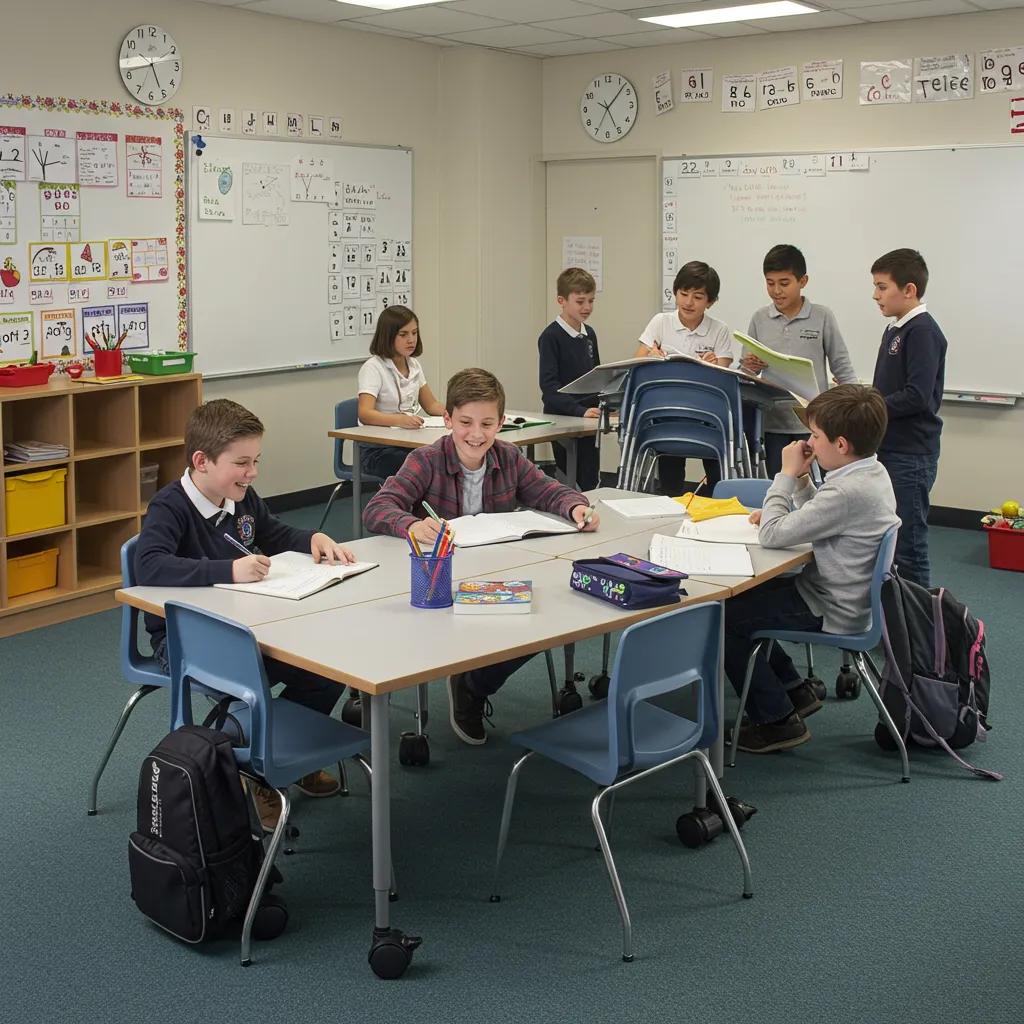
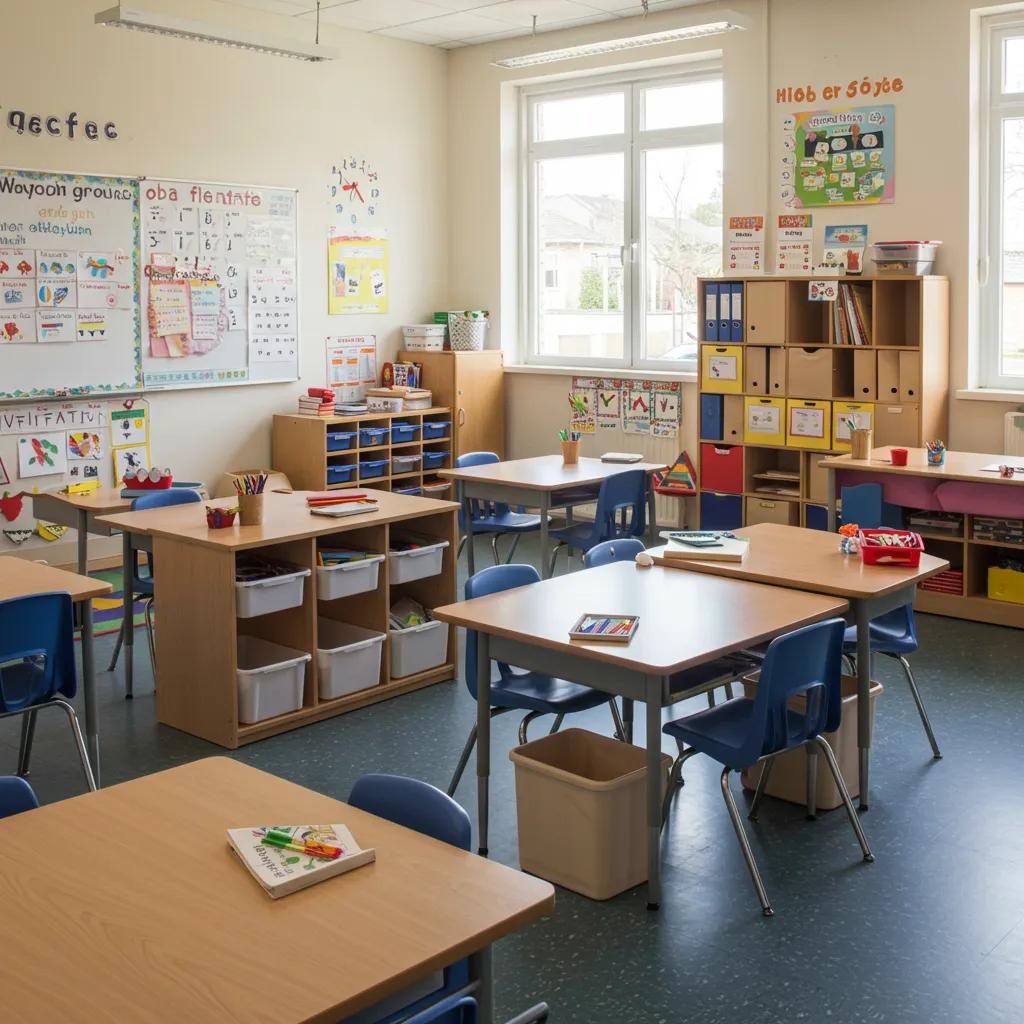
Classroom Furniture Comparison: Features and Benefits That Enhance Learning Environments
28 October 2025
markrolfe
Blog
Read More
26
Oct
Classroom Furniture Upkeep Guidelines for Longevity and Safety
26 October 2025
markrolfe
Blog
Read More
21
Oct
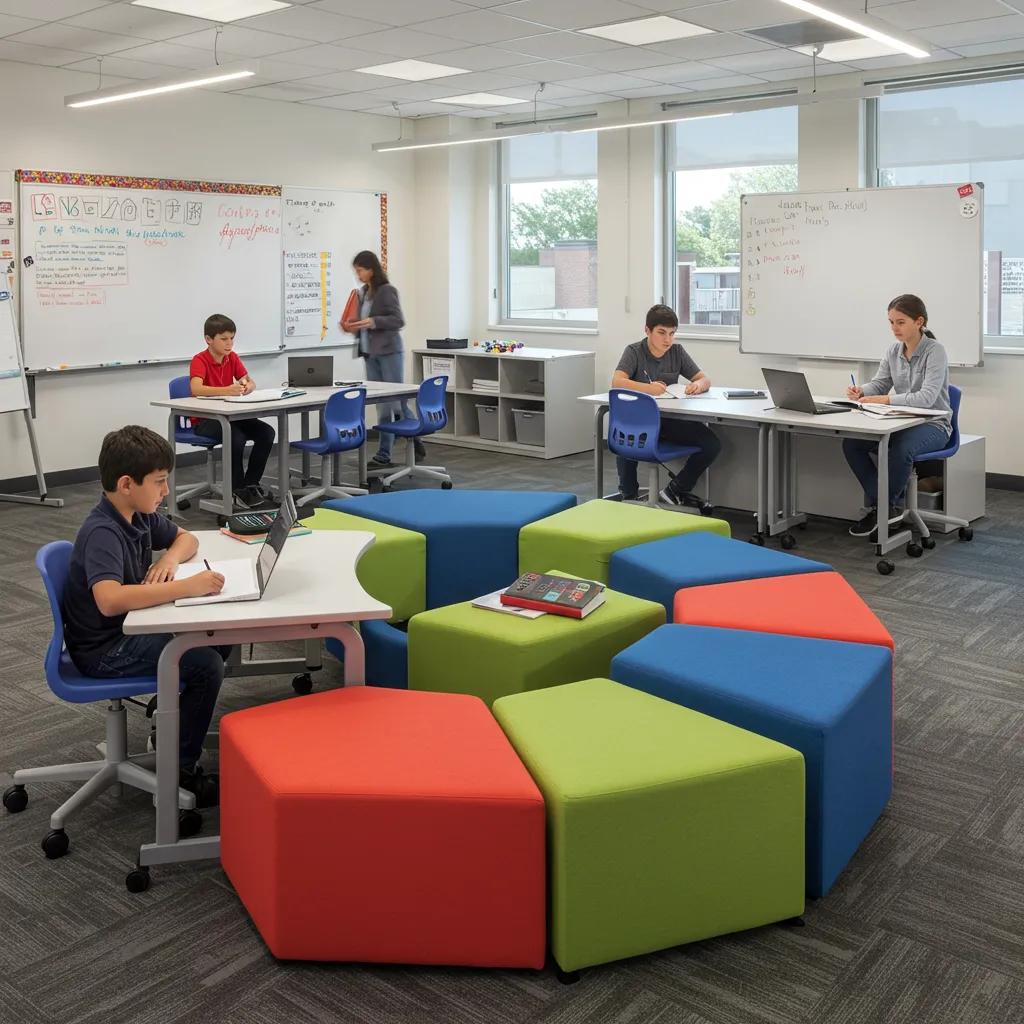
Understanding the Key Differences Between Traditional and Modern Classroom Furniture
21 October 2025
markrolfe
Blog
Read More
21
Oct
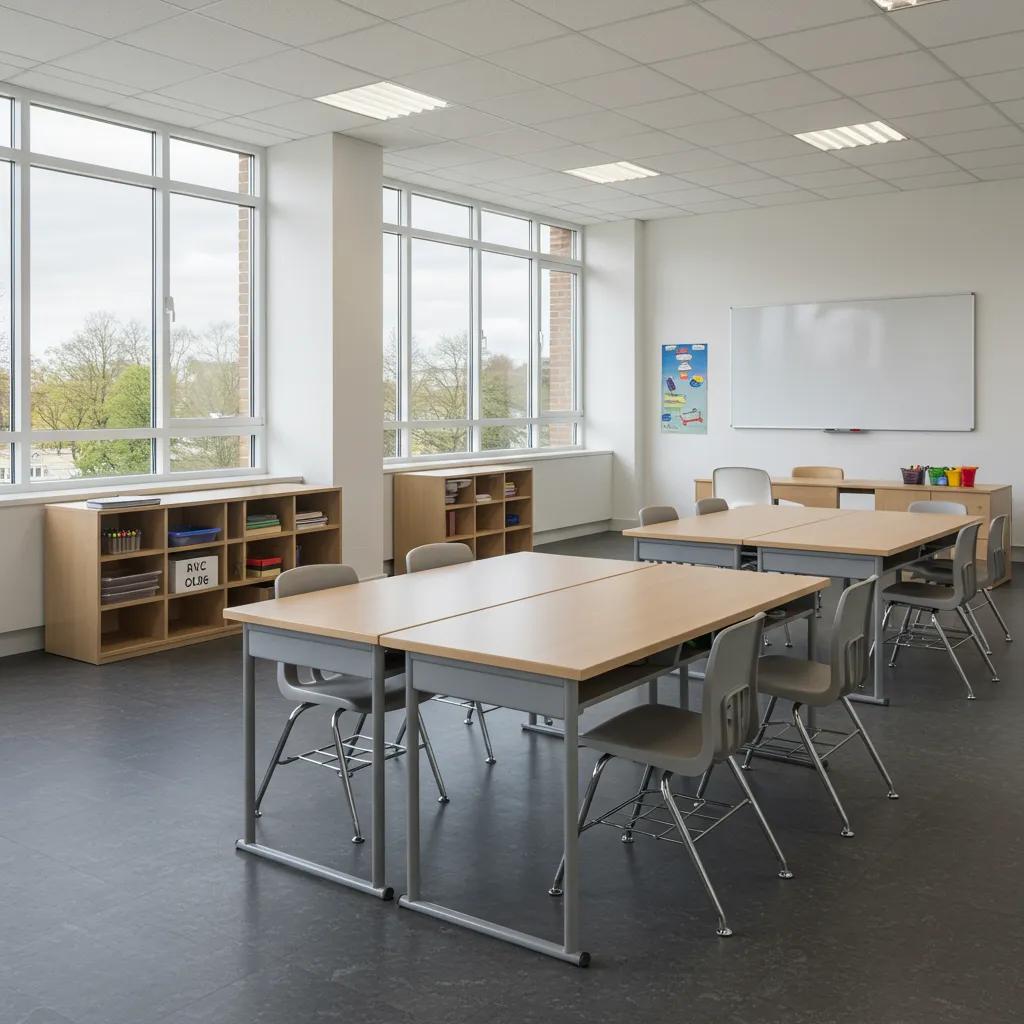
Essential Factors to Consider When Choosing Durable Classroom Furniture
21 October 2025
markrolfe
Blog
Read More
13
Oct
Finding the Best Office Tables for Sale Near Me: A Comprehensive Buying Guide for the UK
13 October 2025
markrolfe
Blog
Find quality used office tables for sale near you. Explore top picks to enhance your workspace affordably. Upgrade your office without breaking the bank today!
Read More
Recent Posts
Master Office Layouts for Maximum Productivity in 2026
Ergonomic Office Furniture Blackburn: Boost Comfort Today
Adjustable Office Chairs Blackburn: A Productivity Solution for SMEs
Best Office Chairs for Posture in Blackburn: A Practical Guide
Why Blackburn Businesses Need Ergonomic Office Seating Now
Archives
February 2026
January 2026
December 2025
November 2025
October 2025
August 2025
Categories
Blog
Uncategorised
We are using cookies to give you the best experience. You can find out more about which cookies we are using or switch them off in
privacy settings
.
Accept
Privacy Settings
GDPR