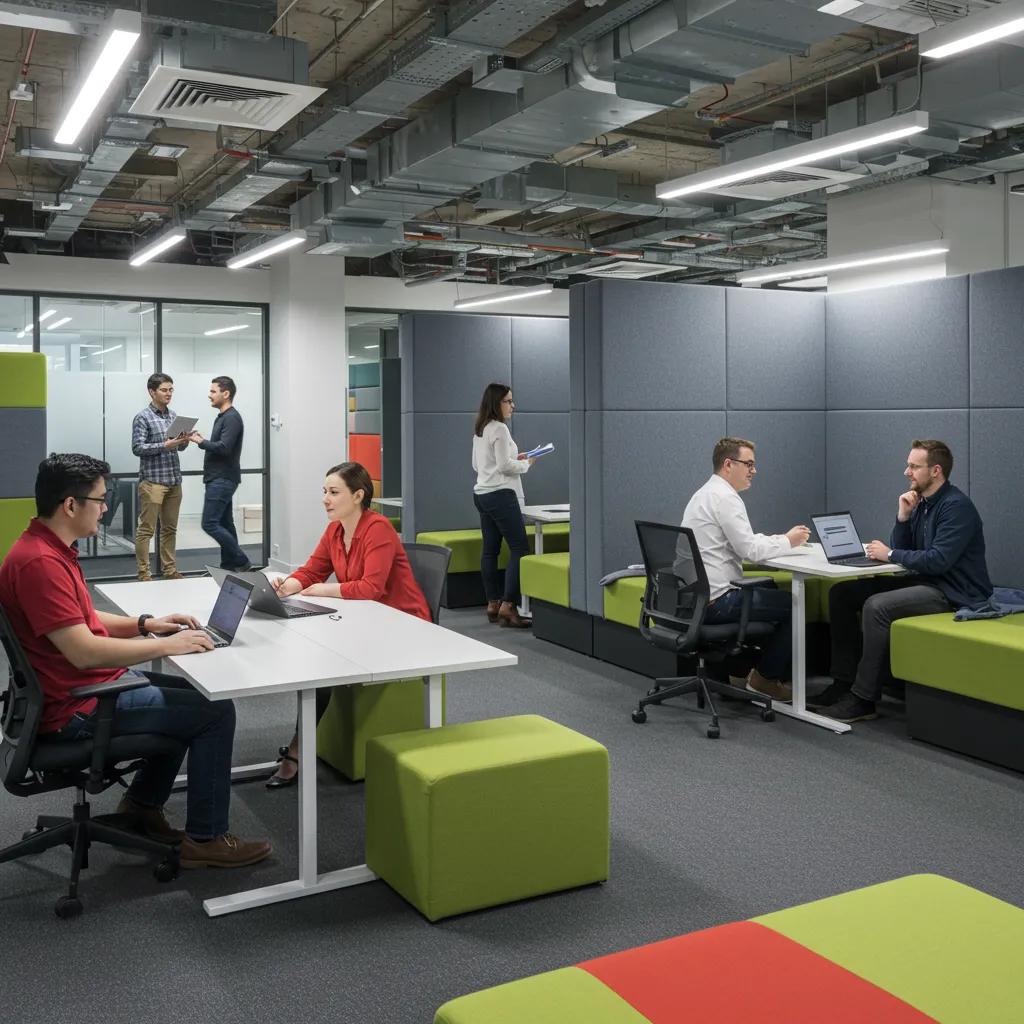
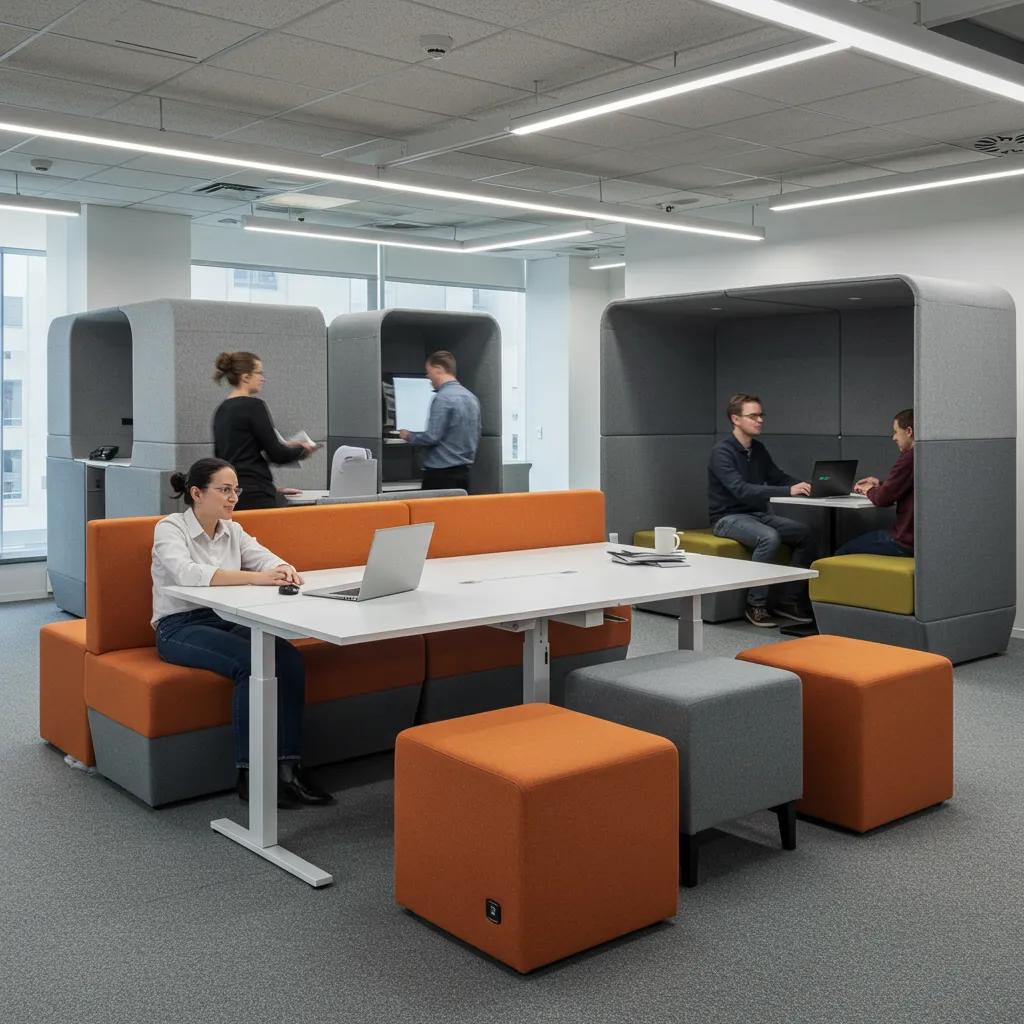
Ergonomic office furniture is designed to support the body comfortably, thereby enhancing productivity in the workplace. Investing in ergonomic solutions can reduce discomfort and fatigue, allowing employees to focus better on their tasks.
For instance, adjustable chairs and desks can accommodate various body types and preferences, promoting better posture and reducing the risk of musculoskeletal disorders. Studies show that companies that prioritize ergonomic furniture see a significant decrease in employee absenteeism and an increase in overall job satisfaction.
The office furniture industry is constantly evolving, with new trends emerging each year that reflect changes in work culture and technology. In 2025, we expect to see a greater emphasis on sustainable materials and multifunctional designs that adapt to various work styles.
For example, furniture that can easily transition between collaborative setups and private workspaces will become increasingly popular. Additionally, smart furniture that integrates technology for enhanced connectivity and user experience is likely to shape the future of office environments, making them more dynamic and responsive to user needs.
Selecting the right office furniture is crucial for creating an environment that fosters productivity and collaboration. It's important to consider factors such as space, employee needs, and the overall aesthetic of the workspace when making your choices.
Small businesses, in particular, should evaluate their specific requirements, such as the number of employees and the nature of their work. For instance, open-plan offices might benefit from modular furniture that can be reconfigured easily, while more traditional setups may require dedicated desks and private meeting areas.
Collaborative spaces are essential in modern offices as they encourage teamwork and innovation among employees. By providing areas designed for group work, businesses can enhance communication and idea-sharing, which are vital for success in today’s fast-paced environments.
Research indicates that companies with well-designed collaborative spaces see improved employee engagement and creativity. For example, incorporating lounge areas, brainstorming rooms, and technology-enabled meeting spaces can significantly boost collaboration and lead to more effective problem-solving.