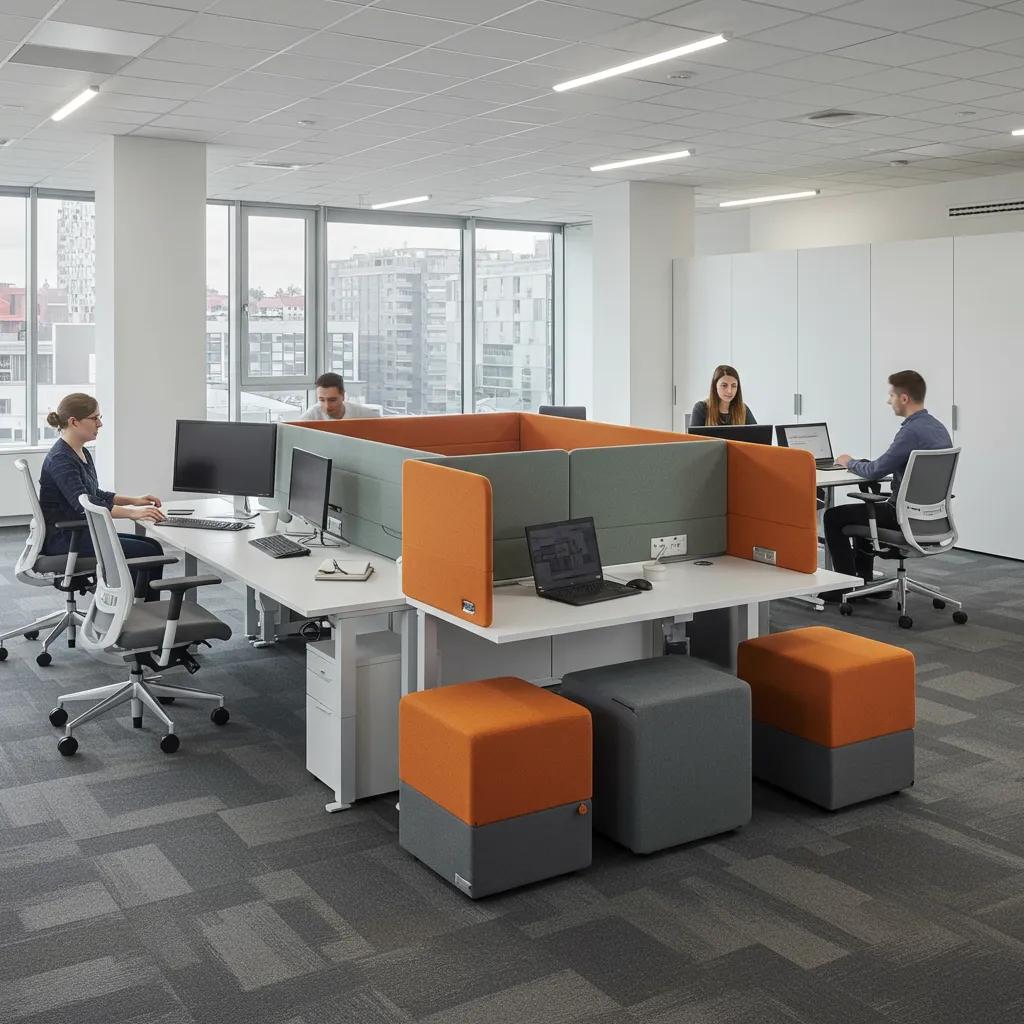
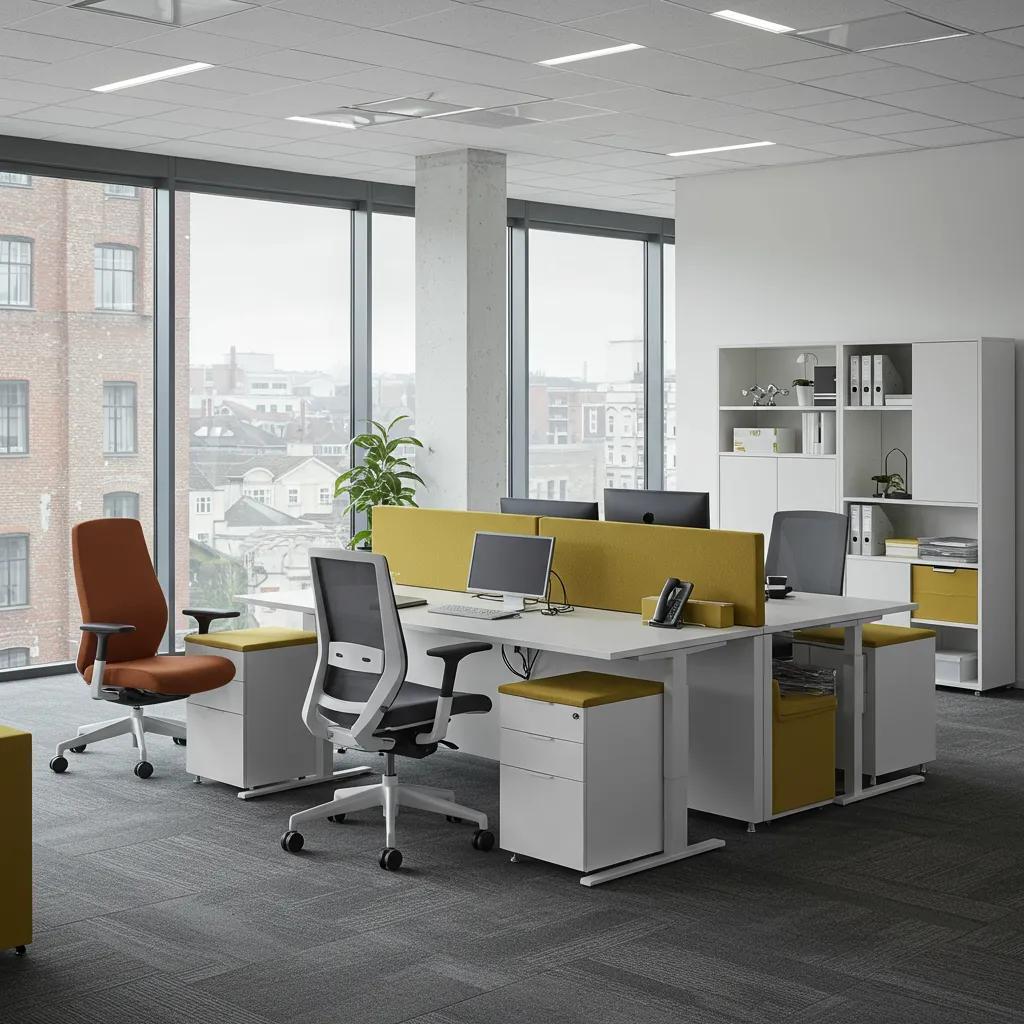
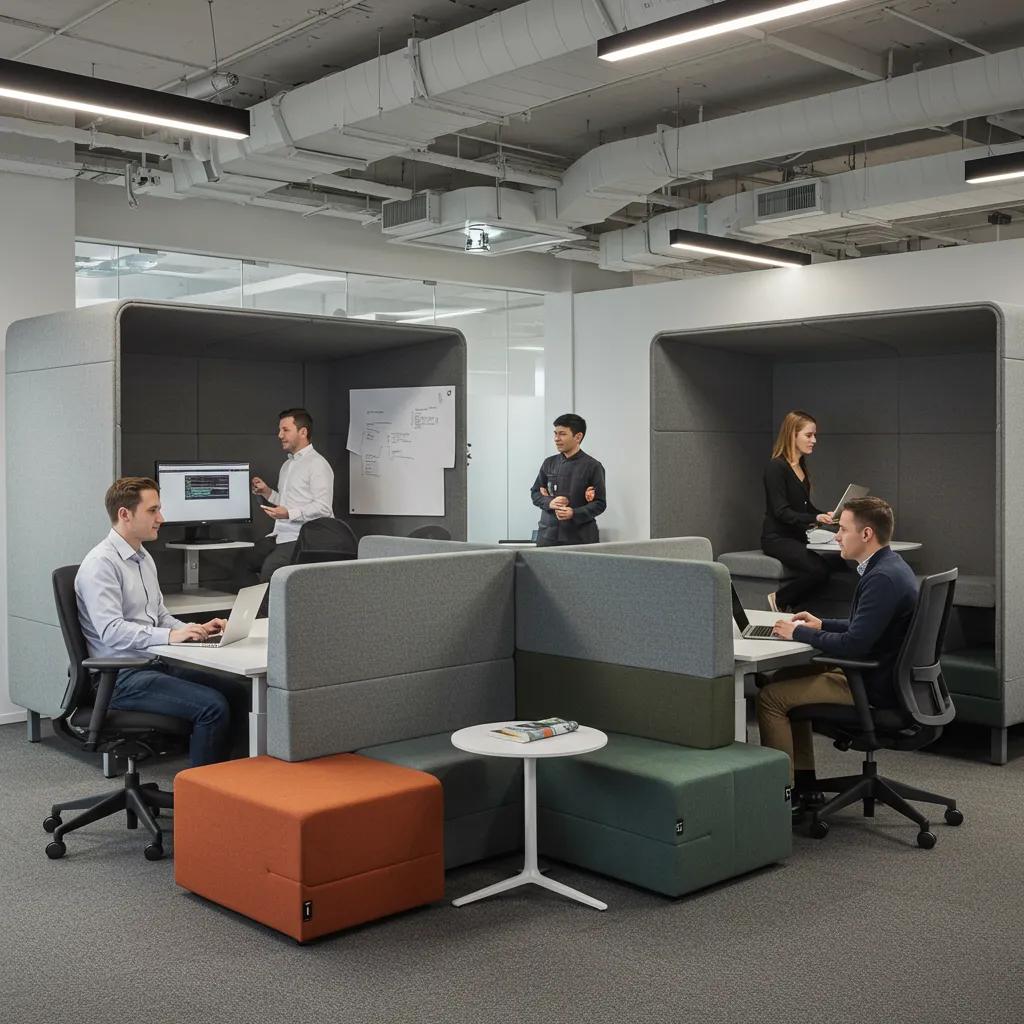
Designing a productive office environment involves careful consideration of furniture layout, lighting, and overall aesthetics. A well-planned workspace can boost employee morale and enhance focus, ultimately leading to increased productivity.
For instance, incorporating ergonomic furniture options not only supports physical well-being but also encourages longer periods of concentration. Additionally, integrating natural light and open spaces can foster creativity and collaboration among team members.
Small businesses often face unique challenges when it comes to furnishing their offices. Selecting the right office furniture is crucial for maximizing limited space while ensuring functionality and comfort.
Key pieces, such as multi-functional desks and adjustable chairs, can make a significant difference. Furthermore, investing in modular furniture allows for flexibility as the business grows and changes, adapting to various needs without requiring a complete overhaul.
The office furniture industry is continually evolving, with new trends emerging each year. In 2025, we can expect to see a greater emphasis on sustainable materials and designs that promote well-being in the workplace.
For example, furniture made from recycled materials and biophilic design elements that incorporate nature into the workspace are gaining traction. These trends not only appeal to environmentally conscious consumers but also contribute to healthier and more inspiring work environments.
In small office spaces, making the most of every square foot is essential. Smart furniture choices can help create an efficient layout that encourages productivity without feeling cramped.
Consider options like foldable desks, wall-mounted shelves, and nesting tables that can be easily stored when not in use. These solutions not only save space but also provide the flexibility needed to adapt to various tasks and team sizes throughout the day.