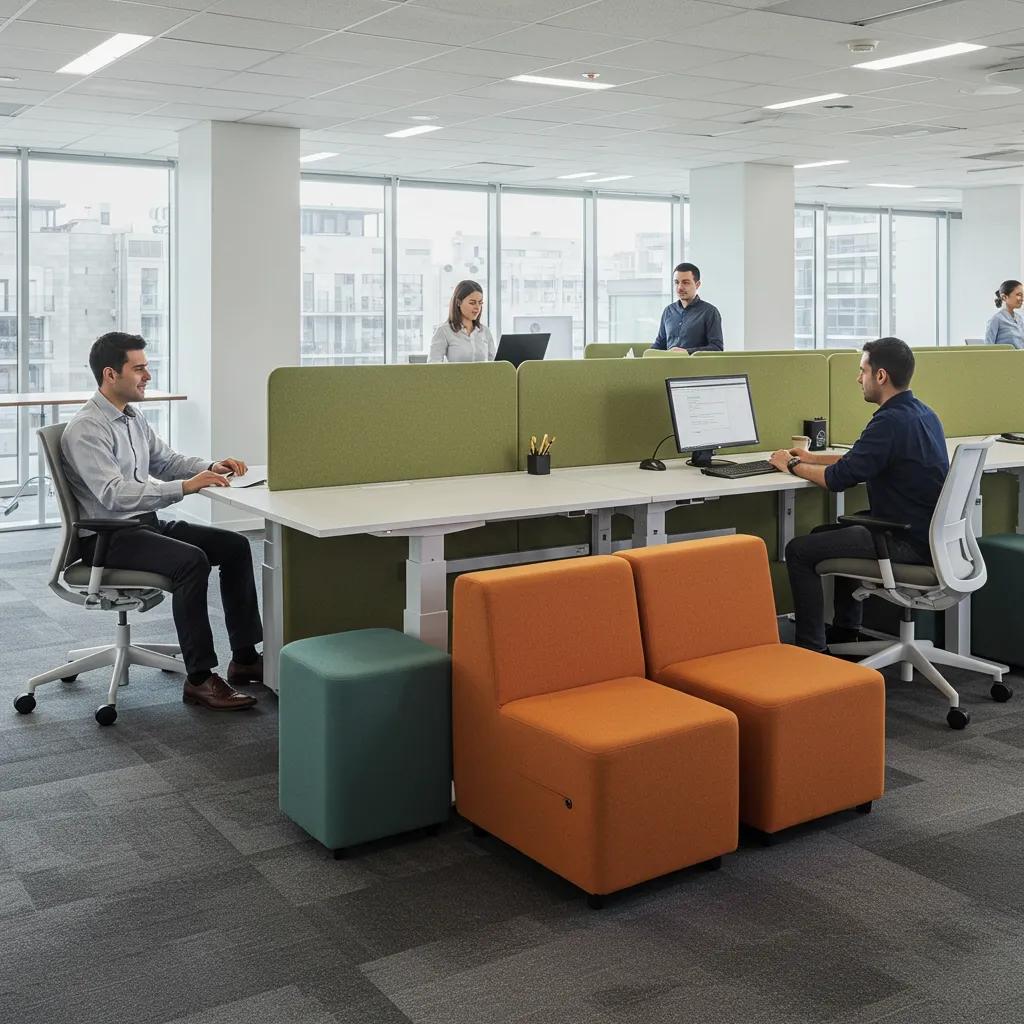
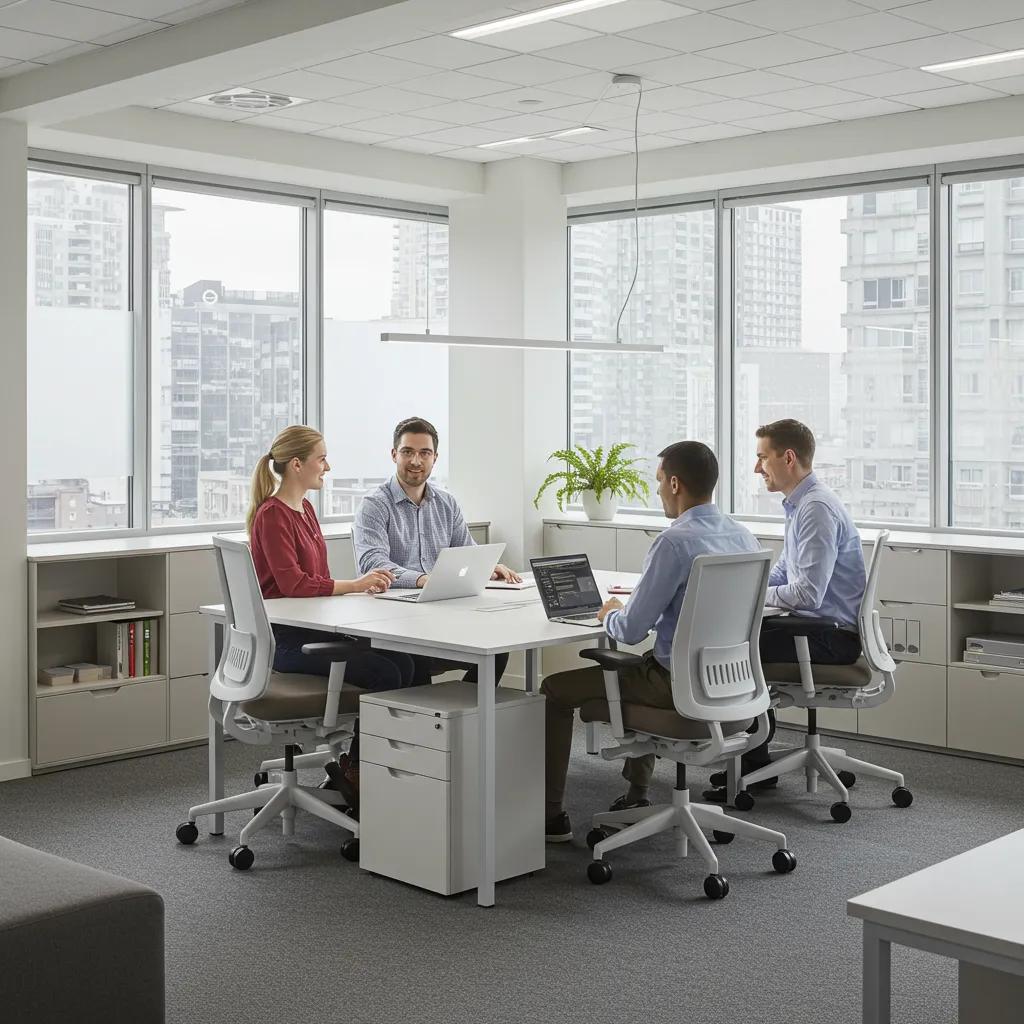
Choosing the right office furniture is crucial for enhancing productivity in the workplace. Ergonomic designs, comfortable seating, and collaborative setups can significantly impact employee efficiency and well-being.
Research shows that well-designed office spaces can lead to a 20% increase in productivity. For instance, adjustable desks and proper lighting not only reduce physical strain but also create an environment conducive to focus and creativity.
The office furniture landscape is evolving, with trends for 2025 focusing on sustainability, flexibility, and technology integration. Businesses are increasingly opting for furniture that supports remote work and hybrid models, allowing for versatile workspace solutions.
Key trends include the rise of modular furniture that can be easily reconfigured, the use of eco-friendly materials, and the incorporation of technology into furniture design, such as desks with built-in charging ports and smart storage solutions.
Selecting the appropriate office furniture for your team involves understanding their specific needs and work styles. Collaborative furniture options, such as communal tables and lounge areas, can foster teamwork and communication among employees.
Considerations such as the size of the workspace, the nature of the work, and employee preferences should guide your choices. For example, open-plan offices benefit from furniture that encourages interaction, while private offices may require more traditional setups for focused work.
Maximizing office space is essential, especially in smaller work environments. Smart office furniture solutions, such as multi-functional desks and storage units, can help utilize every square foot effectively.
For example, desks with built-in storage or foldable designs can create more room for movement and collaboration. Additionally, vertical storage options can help keep the workspace organized and clutter-free, contributing to a more productive atmosphere.