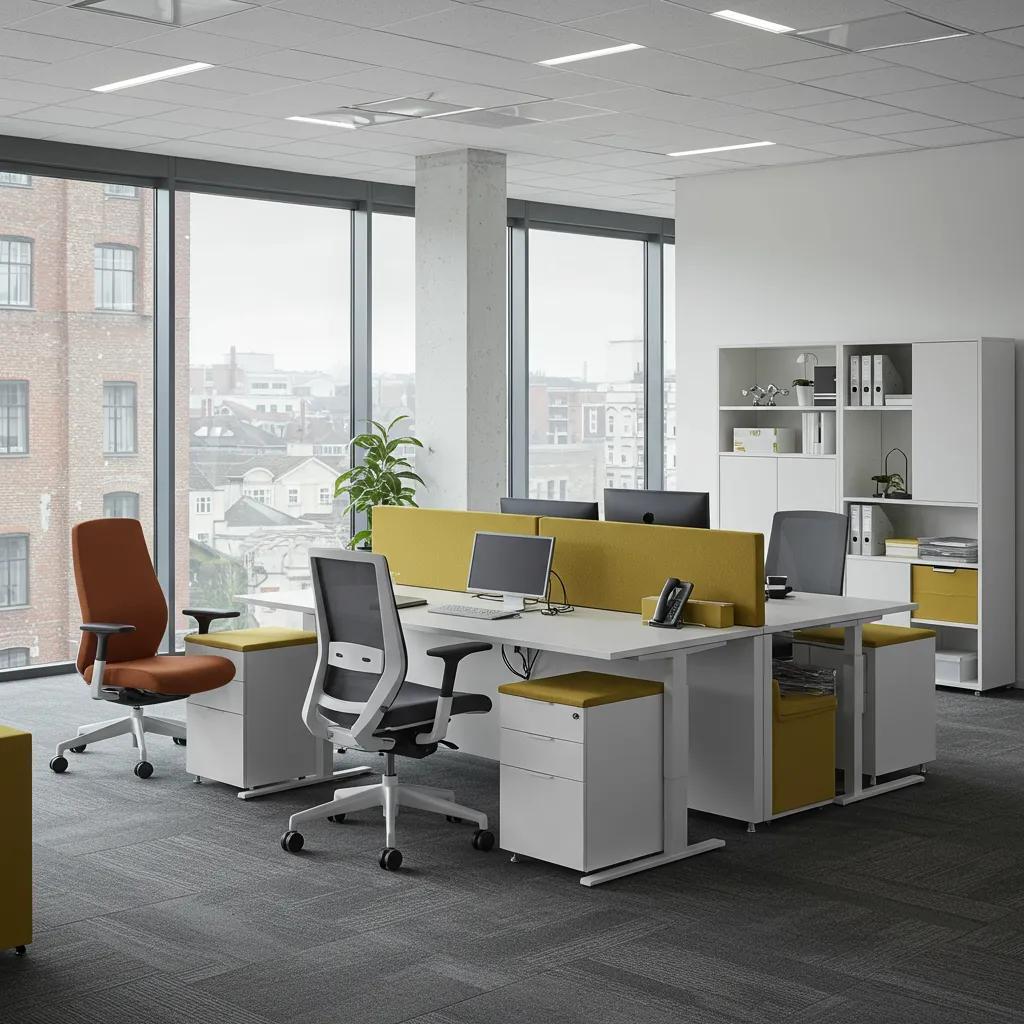
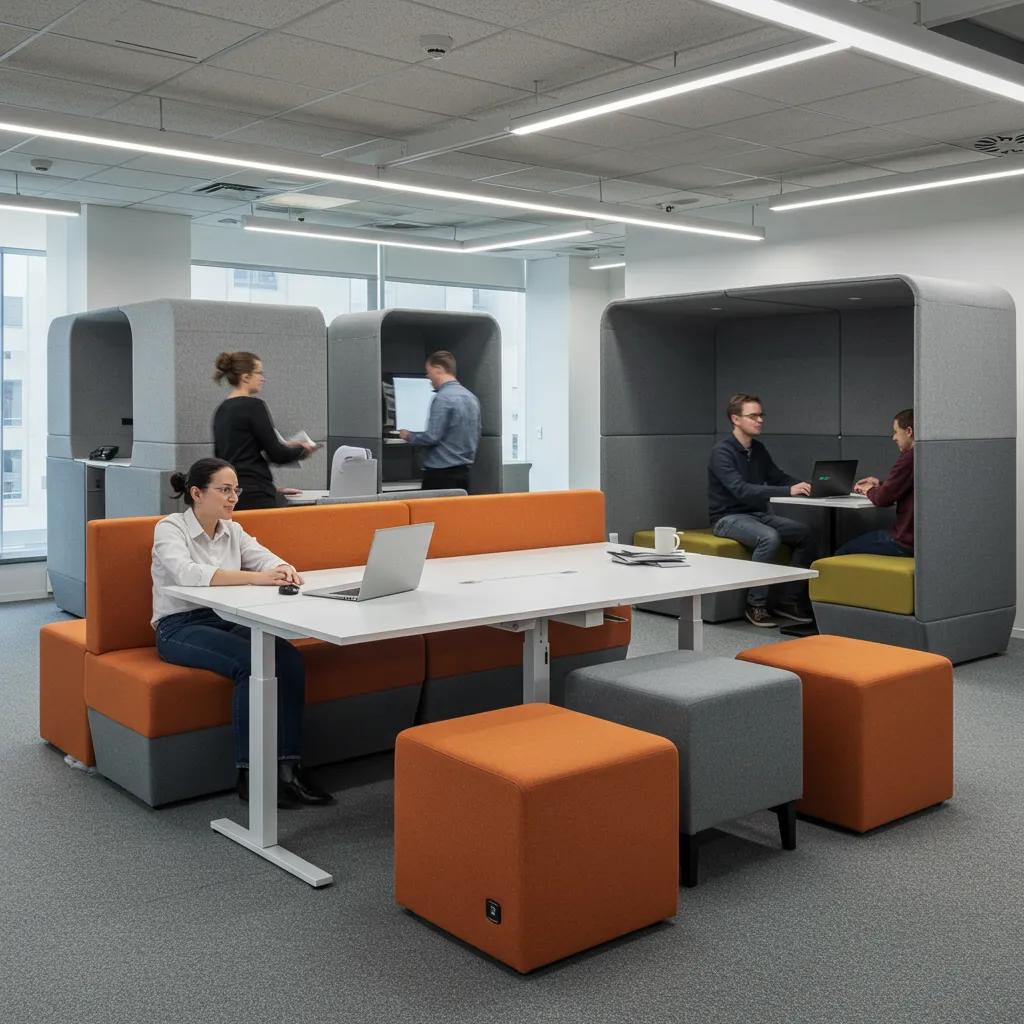
Office furniture plays a crucial role in the overall productivity and morale of small business teams. It is not just about aesthetics; the right furniture can significantly impact employee comfort and efficiency, leading to a more productive work environment.
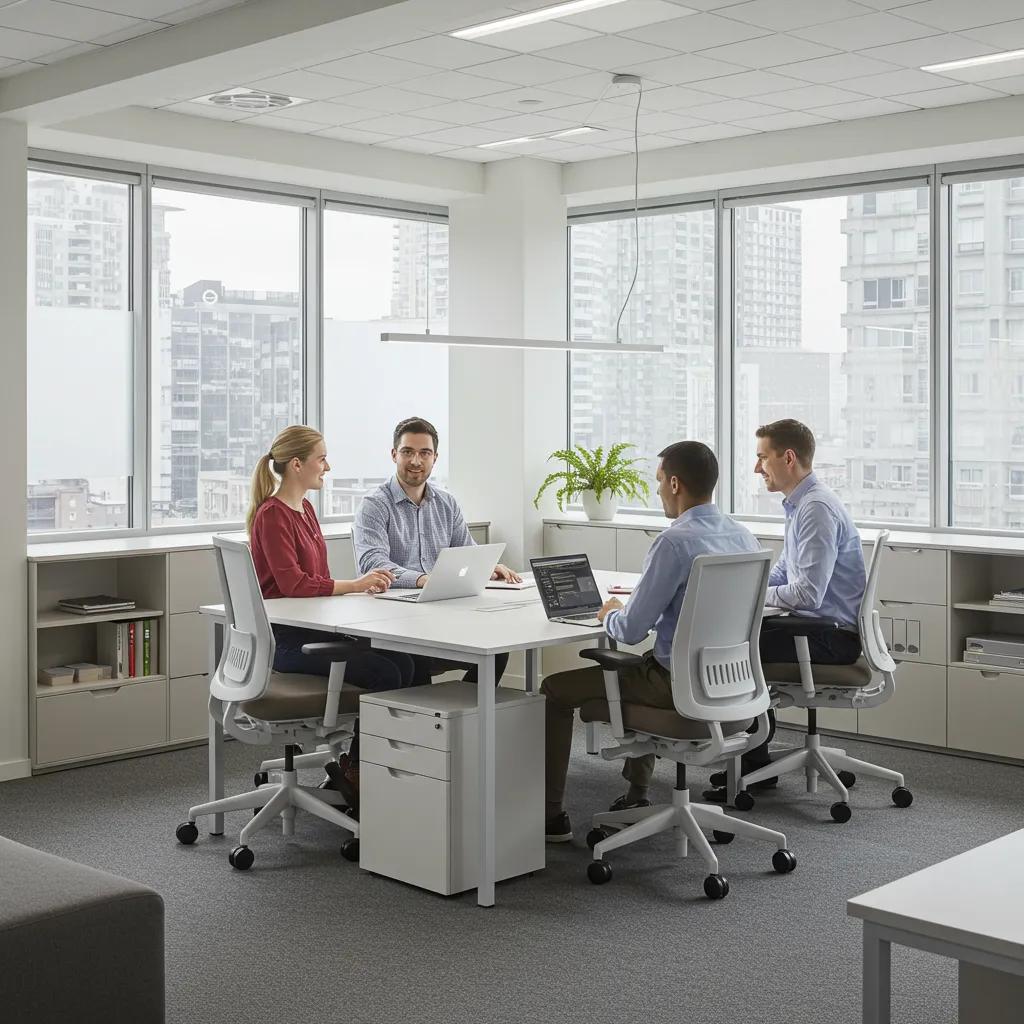
For instance, ergonomic chairs and desks can reduce physical strain, while collaborative furniture, such as modular seating and adjustable tables, encourages teamwork and communication. Investing in quality office furniture can enhance employee satisfaction, which in turn can lead to lower turnover rates and a more cohesive company culture.
When it comes to furnishing an office, budgeting is essential for small businesses to ensure they make informed decisions without overspending. Understanding the average costs associated with different types of office furniture can help in planning and allocating resources effectively.
For example, setting a budget that includes essential items like desks, chairs, and storage solutions, along with a contingency for unexpected expenses, can streamline the purchasing process. Additionally, exploring options such as second-hand furniture or leasing can provide cost-effective alternatives that do not compromise on quality.
Selecting the appropriate office furniture requires careful consideration of the specific needs of your business. Factors such as the size of your team, the nature of your work, and the layout of your office space all influence the types of furniture that will be most beneficial.
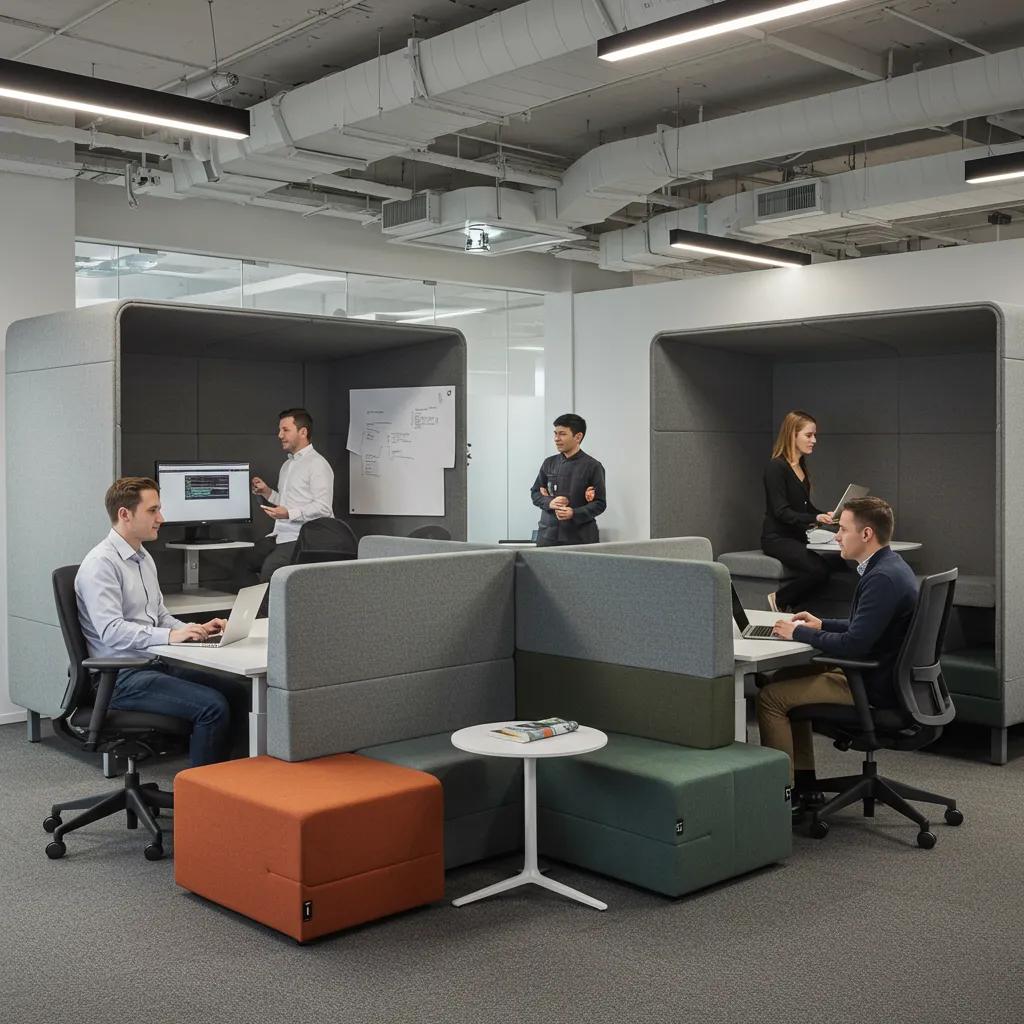
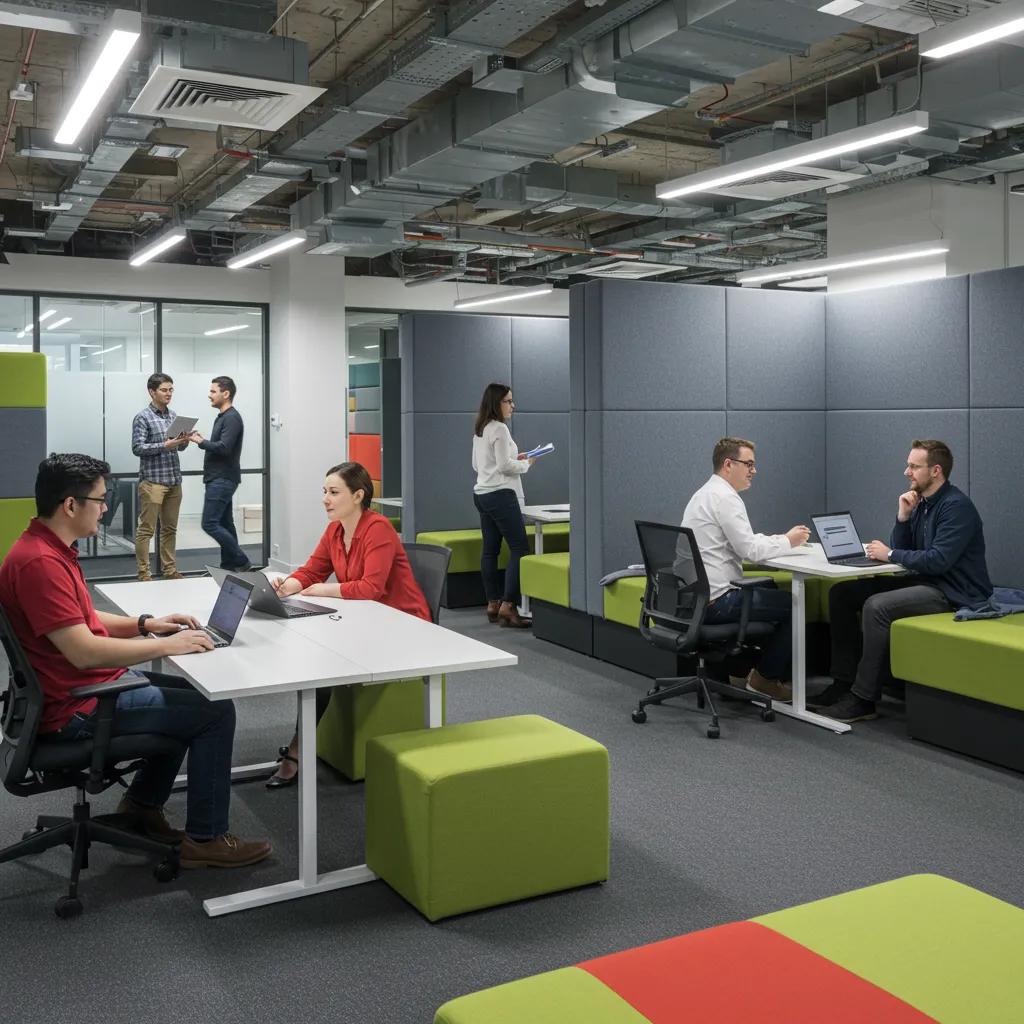
For example, a tech startup might prioritize collaborative spaces with lounge seating and standing desks to foster innovation, while a law firm may require more traditional, formal office setups. Assessing these needs can help in making furniture choices that enhance functionality and support your business objectives.
As we look towards the future, office furniture design is evolving to meet the changing needs of modern workplaces. In 2025, we can expect to see a rise in sustainable materials, flexible workspaces, and technology-integrated furniture that supports remote and hybrid work models.
For instance, furniture that incorporates charging stations, soundproofing features, and adaptable configurations can create a more dynamic and responsive office environment. Keeping up with these trends is vital for businesses looking to attract talent and maintain a competitive edge in their industry.