
Decoding Office Furniture Costs: Your Essential Guide for UK Small Businesses
This comprehensive guide delves into the average costs of essential office furniture for UK small businesses. We’ll break down the key factors influencing price, helping you integrate these figures into practical budgets. You’ll discover per-item price bands (basic, mid-range, premium), a clear cost-per-workstation formula, and straightforward comparisons between new and refurbished options to inform your procurement choices.
We understand that small business owners often face the challenge of balancing ergonomics, space efficiency, and budget; this article provides step-by-step budgeting tactics, reliable sourcing channels, and lifecycle perspectives to reduce your total cost of ownership significantly.
We’ll also show you how furniture costs fit into broader fit-out budgets and explain how smart modular and sustainable choices can unlock long-term savings. Throughout the following sections, we’ll cover average item costs with detailed tables, effective budgeting and saving strategies, comparisons between new and refurbished items, seamless fit-out integration with practical examples, space-maximising furniture options, and sustainable choices that positively impact your budget.
Understanding the Average Costs of Essential Office Furniture for UK Small Businesses
The average cost of core office furniture naturally varies based on specifications, materials, and ergonomic features. Our price bands are designed to capture typical small-business spending across desks, chairs, storage, and essential meeting and reception furniture.
These ranges span from basic, economical items right through to advanced ergonomic or design-led premium options, always assuming standard UK delivery and applicable VAT. Utilising these price bands will help you quickly estimate per-workstation totals, enabling realistic procurement forecasts for both start-ups and expanding teams. Below, you’ll find a concise price-band comparison, perfect for quick reference in your budgeting exercises.
This table outlines typical price bands for basic, mid-range, and premium office furniture items. Please note that VAT and installation costs may be additional to the final invoice.
These price bands provide a solid foundation for estimating your typical workstation costs. In the next section, we’ll use these bands to illustrate a simple per-workstation example and connect key cost drivers directly to your procurement decisions.
To establish a practical per-workstation baseline, consider combining a quality desk, an ergonomic task chair, and essential storage. A basic setup typically ranges from £170–£400, a mid-range workstation from £520–£1,050, and a premium ergonomic setup from £1,050–£2,200.
It’s important to remember these totals do not include shared meeting furniture, reception fit-out, or installation charges, which should be factored in when developing your comprehensive office budget. For a trusted supplier and streamlined procurement, Lomas Office Furniture in Blackburn provides a full range of desks, chairs, storage, and meeting furniture. We offer free, no-obligation consultations to help small businesses translate these general ranges into precise, line-item quotes tailored to your specific needs.
What Are the Typical Costs for Office Desks in Small Business Workstations?
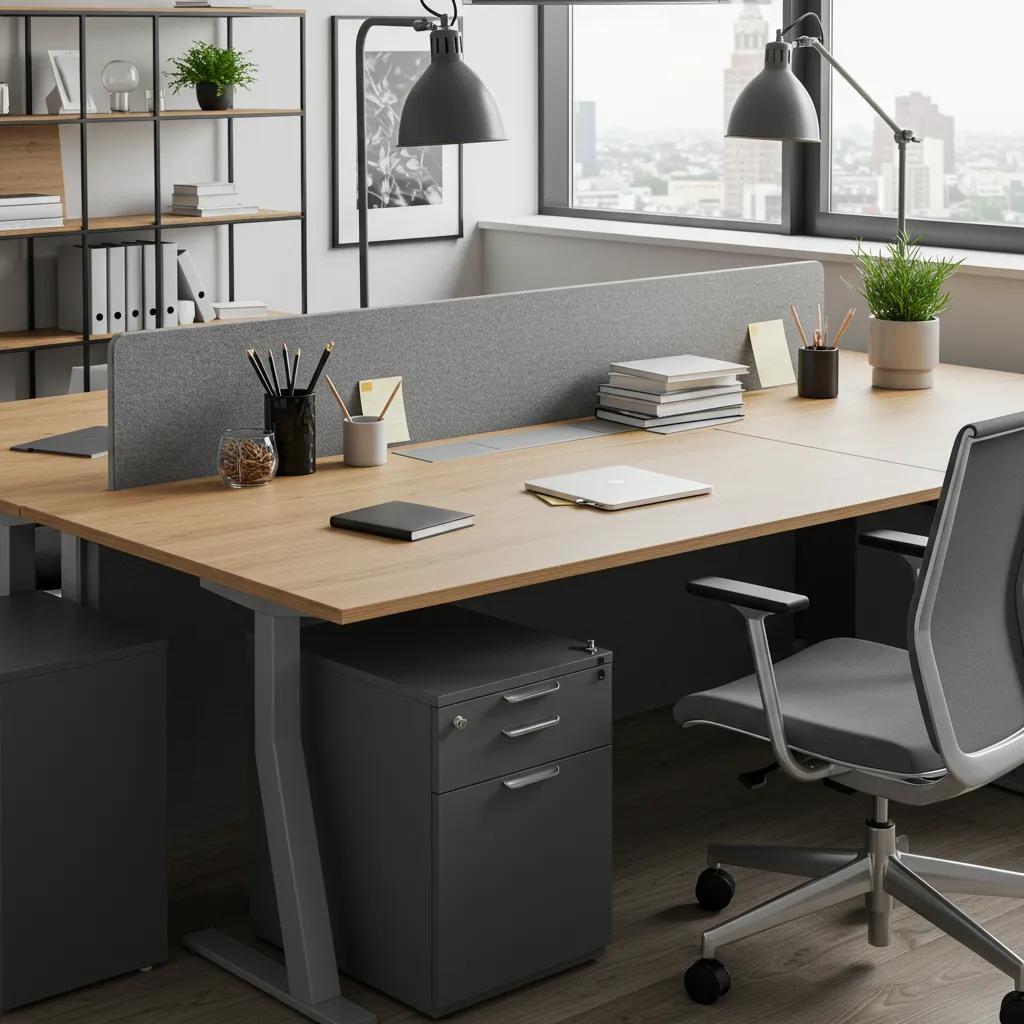
Office desks for small business workstations span a wide spectrum, from straightforward basic tops on legs to sophisticated, fully specified sit-stand systems. The price naturally reflects factors like surface material, frame quality, and integrated cable management. A basic static desk, ideal for occasional use, typically ranges from £80 to £200 and offers simple assembly and a standard warranty.
Mid-range desks, which often include practical features such as cable trays, modest built-in storage, or more robust frames, usually cost between £200 and £450, striking an excellent balance between durability and cost-effectiveness.
For premium options, such as electric sit-stand systems, you can expect to invest £450 to £900 or more, where motorised height adjustment, larger worktops, and superior design finishes justify the higher investment. When selecting desks, always remember to factor in delivery, installation, and any essential cable-management extras into your procurement budget. This proactive approach helps you avoid unexpected costs and ensures optimal ergonomics from the very first day.
Typical Pricing for Office Chairs: Ideal for Small Teams
Office chairs play a crucial role in staff comfort and can significantly impact long-term absenteeism. Therefore, small businesses should always prioritise ergonomic seating for daily staff use, while more budget-friendly visitor seating can be considered for low-use areas.
Basic task chairs, generally priced between £50–£120, offer essential height adjustment and simple upholstery, making them suitable for home offices or staff with limited daily use. Mid-range ergonomic chairs, featuring lumbar support, adjustable arms, and breathable fabrics, typically range from £120 to £300 and offer enhanced durability and more comprehensive warranty terms.
For executive or specialist ergonomic chairs, with their advanced adjustments, higher-grade materials, and extended warranties, prices often range from £300 to £700. These are a justified investment where long-term comfort, staff wellbeing, and retention are paramount. Always consider maintenance and warranty details, as they directly influence the lifetime cost; comparing expected lifespans and replacement intervals is a key part of assessing total cost of ownership.
Budgeting Smart: How Small Businesses Can Effectively Plan Office Furniture Purchases
Effective budgeting truly begins with a clear per-workstation formula and well-defined priority rules that ensure your spending aligns perfectly with your business needs and brand aspirations. Our straightforward budgeting formula is: Cost per Workstation = Desk + Chair + Storage + Proportional Share of Meeting/Reception + Miscellaneous (e.g., screens, cable management).
Applying this formula will generate a manageable procurement forecast, helping you strategically decide which items to invest in now and which can be phased in later. Prioritisation should always lean towards ergonomic chairs and stable desks for your daily users. At the same time, items used less frequently (such as visitor seating or additional storage) are excellent candidates for refurbished or lower-cost alternatives. Here’s a concise checklist to guide your budget development and procurement sequencing:
- Calculate Your Headcount-Driven Needs: Accurately count full-time equivalent desks and essential shared spaces, then apply our per-workstation formula.
- Prioritise Ergonomic Investments: Allocate budget for high-quality chairs and robust desks first; this significantly reduces Total Cost of Ownership (TCO) and potential absenteeism.
- Proportionally Allocate Meeting & Reception Costs: Distribute shared furnishing costs across your workstations to accurately reflect the per-person budget impact.
- Establish a Contingency Fund: Set aside 5–10% for unforeseen delivery, installation, and minor adjustments during your fit-out.
Following these steps empowers small businesses to forecast expenses realistically and make informed decisions about leasing, staging, or phased purchases.
Key Factors Shaping Small Business Office Furniture Budgets
Several crucial variables can significantly impact your furniture budget: your headcount and desired desk density, your business’s client-facing requirements and brand image, product durability and warranty provisions, and your ergonomic priorities.
The size and layout of your office will dictate the number of desks and meeting spaces required. At the same time, industry expectations often influence the desired finish level – for instance, client-facing firms typically invest more in reception and meeting furniture to make a strong impression.
Durability requirements and comprehensive warranty terms directly affect long-term replacement costs and should always be carefully weighed against any initial savings. Finally, regulatory and health-and-safety considerations may necessitate ergonomic compliance, guiding budgets towards higher-quality seating and adjustable desks. A clear understanding of these factors enables procurement teams to strategically allocate funds to deliver the greatest long-term value and cost reduction.
Smart Savings: How to Reduce Office Furniture Costs Without Sacrificing Quality
Implementing clever cost-saving tactics allows you to maintain essential ergonomics and longevity while significantly reducing upfront expenditure. Consider modular elements, bulk packages, and the strategic utilisation of refurbished items for non-critical areas.
We recommend purchasing core ergonomic items new for your daily-use staff, then exploring refurbished or lower-specification options for breakout zones and visitor seating to achieve substantial savings. Always leverage package deals or bulk order discounts to drive down per-unit costs, and negotiate delivery and installation as a single contract to minimise indirect fees. Crucially, prioritise quality for items that directly impact productivity – this approach reduces replacement frequency and lowers your total cost of ownership over the long term. Here’s a concise list of tactical approaches to put these principles into action:
- Invest in new ergonomic chairs for daily users to mitigate long-term health-related costs and boost productivity.
- Opt for refurbished storage solutions or occasional seating in areas where wear-and-tear tolerances are more flexible.
- Always negotiate bundle pricing for desks, chairs, and pedestals to achieve significant unit cost reductions.
- Strategically stagger your purchases to align with cash flow, ensuring you standardise on compatible dimensions and finishes for a cohesive look.
These proven tactics help you maintain excellent staff wellbeing while ensuring your procurement stays well within budget.
New vs. Refurbished Office Furniture: Understanding Cost Differences for SMEs
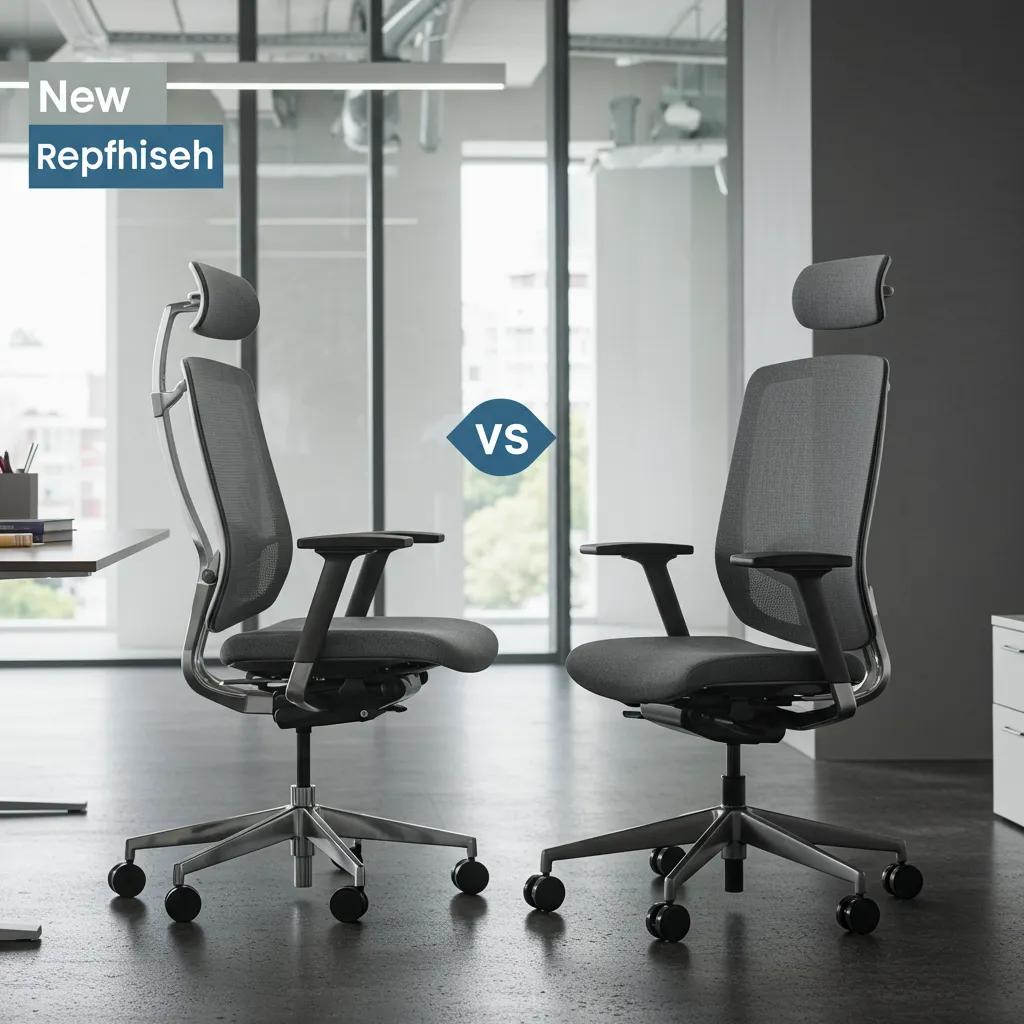
While new furniture typically involves a higher upfront investment, it comes with the assurance of manufacturer warranties, customisation options, and predictable lifespans. In contrast, refurbished or second-hand options often offer substantial immediate savings, though this may come with fewer customisation options and potentially shorter warranty terms.
Refurbished pieces can be 40–70% cheaper, depending on the item and its condition, with storage and meeting furniture often offering the best value for SMEs. The comparison table below clearly summarises the expected price differences and lifespan trade-offs for common items, helping buyers thoughtfully weigh immediate savings against long-term longevity.
While refurbished options offer significant capital outlay savings and contribute to sustainability, it’s wise to budget for thorough inspection and any potential minor refurbishment costs.
The Benefits and Savings of Opting for Refurbished Office Furniture
Opting for refurbished furniture delivers undeniable cost savings and significant environmental benefits, including immediate capital savings, a reduced landfill impact, and often faster procurement for larger quantities. Refurbished storage units, visitor chairs, and reception furniture typically offer the greatest savings while still meeting functional requirements.
However, it’s important to note that refurbished options might not come with the same manufacturer warranty or custom finishes as new items, and their lifespan can vary more widely depending on prior use and the quality of the refurbishment. For items subject to heavy daily use and critical ergonomic demands – such as core task chairs and sit-stand desks – many businesses find that new purchases represent a superior long-term investment, despite the higher initial cost.
Finding Affordable Second-Hand Office Furniture for Small Businesses in the UK
Small businesses looking for reputable second-hand office furniture options should explore specialist refurbishers, local commercial liquidators, auction houses, and online reseller marketplaces. Each channel presents unique trade-offs in terms of price, inspection access, and delivery logistics.
Specialist refurbishers often supply thoroughly inspected and re-upholstered items, frequently with limited guarantees. Commercial liquidators are excellent for sourcing large lots from business closures or relocations, while auction sites can uncover fantastic bargains for buyers with flexibility.
When evaluating any used furniture, always meticulously inspect its structural integrity, mechanism function (e.g., gas lifts, castors), and upholstery condition. Remember to factor in transport and any potential reconditioning costs. Below is a concise procurement checklist to help you confidently assess used options before making a purchase.
- Always verify structural integrity and all mechanisms (such as gas lifts, castors, and hinge function) thoroughly before committing to a purchase.
- Request comprehensive refurbishment details and any warranty provided by the seller to understand the residual risk fully.
- Compare the total ‘landed cost’ – including collection, delivery, and any minor repairs – against the price of a new equivalent item.
Integrating Office Fit-Out and Refurbishment Costs with Your Small Business Furniture Budget
Furniture is, of course, a key component of a broader office fit-out budget, which typically encompasses elements such as flooring, lighting, partitions, and essential services. By seamlessly integrating furniture procurement with your overall design plan, you can significantly reduce duplication and often achieve a lower overall project cost.
Fit-out budgets for small businesses naturally vary based on quality and complexity; furniture typically accounts for 20–35% of a basic to mid-range fit-out budget, depending on the chosen specification and whether installation is bundled. Expert coordination of design, CAD planning, and procurement ensures that furniture dimensions and power/data planning are precisely correct, effectively preventing costly rework. The table below clearly presents typical cost components and example per-person calculations, illustrating exactly how furniture integrates into various fit-out scenarios.
Typical Budget Ranges for Basic to Mid-Range Office Fit-Outs
Based on typical UK benchmarks, basic small-office fit-outs generally fall within the £700–£1,200 per-person range, while mid-range packages commonly cost £1,200–£2,500 per person. These ranges encompass finishes, lighting, and a furniture allowance, but typically exclude high-end bespoke items.
Basic packages are designed to deliver functional workspaces, ideal for back-office teams, whereas mid-range options introduce superior acoustics, higher-quality finishes, and more advanced ergonomic furniture.
When developing your budget, always clarify precisely what your fit-out package includes – especially whether furniture supply, delivery, and installation are covered – to avoid any double-counting or overlooked expenses. When funds are limited, prioritise items that directly enhance productivity and ensure regulatory compliance.
How Lomas Office Furniture Streamlines Integrated Office Design and Refurbishment
At Lomas Office Furniture, we pride ourselves on providing integrated services that seamlessly combine expert design, precise CAD planning, reliable supply, and professional installation. This comprehensive approach is designed to streamline your project delivery and help you maintain strict budget control.
We offer free, no-obligation consultations and advanced CAD-based space planning to ensure your furniture specifications perfectly align with your spatial constraints and overall fit-out requirements. By coordinating both procurement and installation, Lomas effectively reduces indirect costs, such as repeat site visits and potential compatibility errors.
Our efficient one-stop approach also empowers small businesses to easily compare package pricing against item-by-item purchasing, ensuring you get the best value. To request your free consultation or a detailed fit-out estimate, please get in touch with Lomas Office Furniture directly by phone at 01254 690 600 or via email at sales@lomasoffice.co.uk.
Maximising Office Space: Cost-Effective Furniture Solutions for Small Businesses
Maximising your office space through intelligent furniture choices not only improves utilisation but often significantly reduces per-person costs by increasing desk density without compromising essential ergonomics. Modular and multifunctional systems are absolutely central to achieving this. Bench systems, desks with integrated storage, and clever fold-away meeting furniture all enable flexible reconfiguration, perfect for hot-desking or hybrid work schedules.
Effective space planning helps identify shared resources and minimises redundant furniture purchases, while the proven productivity gains from ergonomic investment further enhance these space savings. Below, we explore practical modular options and tactical design moves to boost your office capacity while keeping procurement budgets firmly under control.
Top Modular and Multi-Functional Furniture Options for Small Offices
Modular benching systems, desks with seamlessly integrated storage modules, versatile fold-away meeting tables, and mobile pedestals provide small offices with unparalleled flexibility to adapt to changing headcounts and hybrid working models. Bench systems efficiently reduce the footprint per workstation by sharing screens and managing cables, while storage-integrated desks cleverly combine worktop and filing capabilities to free up valuable floor space.
Fold-away or nesting meeting tables and stackable chairs allow a single room to serve multiple purposes without permanent furniture consuming space. As a trusted provider, Lomas Office Furniture supplies a comprehensive range of modular desks, benching systems, and smart storage solutions, and we can arrange full supply and installation for businesses seeking a streamlined, single-source procurement path.
Smart Office Design: Reducing Furniture Costs and Boosting Productivity
Smart office design strategically reduces redundant purchases by prioritising flexible, shared resources and right-sized furniture. It also intelligently aligns ergonomic investment with actual daily use, directly enhancing staff productivity. Design-led solutions – such as dynamic hot-desking zones, collaborative hubs, and precisely specified task seating – effectively reduce the number of permanent desks required, thereby limiting furniture expenditure to items that deliver tangible productivity returns.
Excellent planning also minimises wasted circulation space and ensures that all AV and power requirements are seamlessly integrated into your furniture choices from the outset, preventing costly retrofit expenses down the line. For instance, transforming one underused meeting room into a vibrant hot-desking area can significantly reduce the need for new desk purchases and delay expansion costs, all while maintaining optimal service levels.
Sustainable Office Furniture: Options and Their Impact on Costs
Sustainable furniture options encompass a range of choices, including expertly refurbished items, products crafted from reclaimed wood or recycled plastics, and ranges designed with take-back or easily repairable components. Each of these options impacts both upfront costs and long-term running expenses differently.
While sustainable choices might sometimes carry an initial premium compared to the lowest-cost basic items, the significant lifecycle savings, coupled with higher resale or refurbishment value, often offset this premium over time. For SMEs, a smart strategy involves combining refurbished items for low-use areas with sustainably produced, ergonomically designed new items for daily users, effectively balancing environmental impact with budgetary constraints. The following comparison and supplier guidance will assist you in evaluating sustainability against total lifecycle cost.
Finding Eco-Friendly Office Furniture Suppliers for UK Small Businesses
Eco-friendly supply channels for office furniture include specialist sustainable manufacturers, dedicated refurbishment specialists, and larger suppliers who offer comprehensive green ranges and repair services. Your selection process should always prioritise recycled content, repairability, and complete transparency about materials.
When evaluating potential suppliers, actively look for clear information on recycled-material percentages, robust take-back programmes, and defined warranty or refurbishment pathways designed to extend product life. Collaborating with refurbishers can often provide the best immediacy and cost savings for non-core items. At the same time, certified eco-manufacturers typically offer longer-term guarantees and consistent stock for standardised fleets. Below is a concise checklist to guide your due diligence before selecting a supplier.
- Material Transparency: Ensure the supplier clearly documents recycled content and source materials.
- Repair & Take-Back Options: Look for clear plans to refurbish or responsibly recycle items at the end of their life.
- Warranty & Service: Confirm clear terms that support long-term use and actively reduce future replacement costs.
The Long-Term Budget Impact of Sustainable Furniture Choices
While sustainable furniture often entails a slightly higher initial outlay, it can significantly reduce your total cost of ownership through extended maintenance cycles, higher residual value, and lower disposal costs. For instance, a sustainably manufactured task chair featuring modular, replaceable parts can enjoy a longer lifespan and be upgraded rather than fully replaced, thereby reducing cumulative spend over a typical 7–10 year horizon.
Payback periods will naturally vary by item and usage intensity, but comprehensive lifecycle comparisons consistently demonstrate that choosing repairable, recyclable products substantially reduces five-year replacement and waste-management costs. Furthermore, non-monetary benefits such as enhanced brand perception and improved regulatory alignment also contribute significantly to the value case for many SMEs. They should be thoughtfully included in all procurement evaluations.
Your Questions Answered: Frequently Asked Questions
What are the key advantages of investing in ergonomic office furniture?
Investing in high-quality ergonomic office furniture can profoundly enhance both employee comfort and overall productivity. Ergonomic designs are specifically engineered to reduce the risk of musculoskeletal disorders, which are a common cause of absenteeism and decreased work efficiency.
By providing adjustable chairs and desks, businesses can comfortably accommodate diverse body types and individual preferences, actively promoting better posture and significantly reducing fatigue. Furthermore, reputable ergonomic furniture often includes robust warranties, ensuring excellent long-term value. Ultimately, this initial investment can lead to reduced healthcare costs and markedly improved employee satisfaction, making it a truly wise choice for any small business.
How can small businesses accurately determine their office furniture needs?
To accurately determine the optimal amount of office furniture, small businesses should begin by thoroughly assessing their current headcount and the specific nature of their work. A straightforward approach involves calculating the number of full-time employees and then carefully considering shared spaces, such as meeting rooms. It’s essential to prioritise ergonomic items for your daily users, while also exploring flexible solutions for occasional use. Additionally, businesses should proactively factor in future growth and evolving work patterns, such as hybrid working, to ensure their furniture choices remain relevant, adaptable, and highly functional for years to come.
What potential hidden costs should small businesses be aware of when purchasing office furniture?
When meticulously budgeting for office furniture, small businesses must be acutely aware of potential hidden costs that can unexpectedly arise. These often include delivery and installation fees, which can vary quite significantly depending on your chosen supplier and geographical location. Furthermore, costs for assembly, ongoing maintenance, and extended warranties should always be carefully considered. Businesses should also proactively account for the potential need to reconfigure or replace as their operational needs evolve. By thoroughly evaluating all these factors upfront, companies can construct a far more accurate budget and effectively avoid unwelcome surprises down the line.
How can small businesses effectively source sustainable office furniture?
Small businesses can effectively source sustainable office furniture by diligently researching suppliers who genuinely prioritise eco-friendly practices. Actively seek out manufacturers that utilise recycled materials, offer robust take-back programmes, and provide complete transparency about their sourcing methods. Additionally, seriously consider refurbished options, which can dramatically reduce environmental impact while simultaneously delivering significant cost savings. Engaging with local suppliers can also help minimise transportation emissions. By making sustainability a priority in their procurement processes, businesses not only contribute to environmental conservation but can also significantly enhance their brand image and appeal to an increasingly eco-conscious client base.
What crucial role does office layout play in furniture selection and budgeting?
The office layout plays an absolutely crucial role in both furniture selection and budgeting, as it directly impacts optimal space utilisation and, critically, employee productivity. A meticulously planned layout can maximise desk density while simultaneously ensuring that employees have easy access to essential collaborative spaces. When selecting furniture, businesses should always consider versatile modular and multifunctional options that can readily adapt to evolving needs. Furthermore, an efficient layout can significantly reduce the need for excess furniture, ultimately leading to lower overall costs. By seamlessly integrating furniture selection with strategic layout planning, small businesses can create a highly functional, adaptable, and truly cost-effective workspace.
What are the significant benefits of modular furniture systems for small businesses?
Modular furniture systems offer a wealth of benefits for small businesses, particularly excelling in terms of flexibility and exceptional space efficiency. These intelligent systems can be effortlessly reconfigured to accommodate fluctuating team sizes or evolving work styles, making them ideally suited for dynamic office environments. Moreover, modular furniture often enables more efficient space utilisation, effectively reducing the overall footprint required for individual workstations. This inherent adaptability can translate into substantial cost savings, both in initial furniture purchases and ongoing office fit-out expenses. Beyond this, modular systems are excellent for fostering collaborative workspaces, thereby enhancing team interaction and boosting overall productivity.
How can small businesses ensure they make truly cost-effective furniture choices?
To ensure you are making truly cost-effective furniture choices, small businesses should undertake thorough research and diligent comparison shopping. This process involves carefully evaluating various suppliers, considering both brand-new and expertly refurbished options, and meticulously assessing the total cost of ownership, which crucially encompasses durability and ongoing maintenance. Prioritising ergonomic and multifunctional furniture can also unlock significant long-term savings by reducing health-related costs and boosting overall productivity. Furthermore, businesses should always capitalise on bulk purchasing discounts and confidently negotiate terms with suppliers to secure the most advantageous deals. A strategic, informed approach to procurement can dramatically improve your budget efficiency and deliver lasting value.