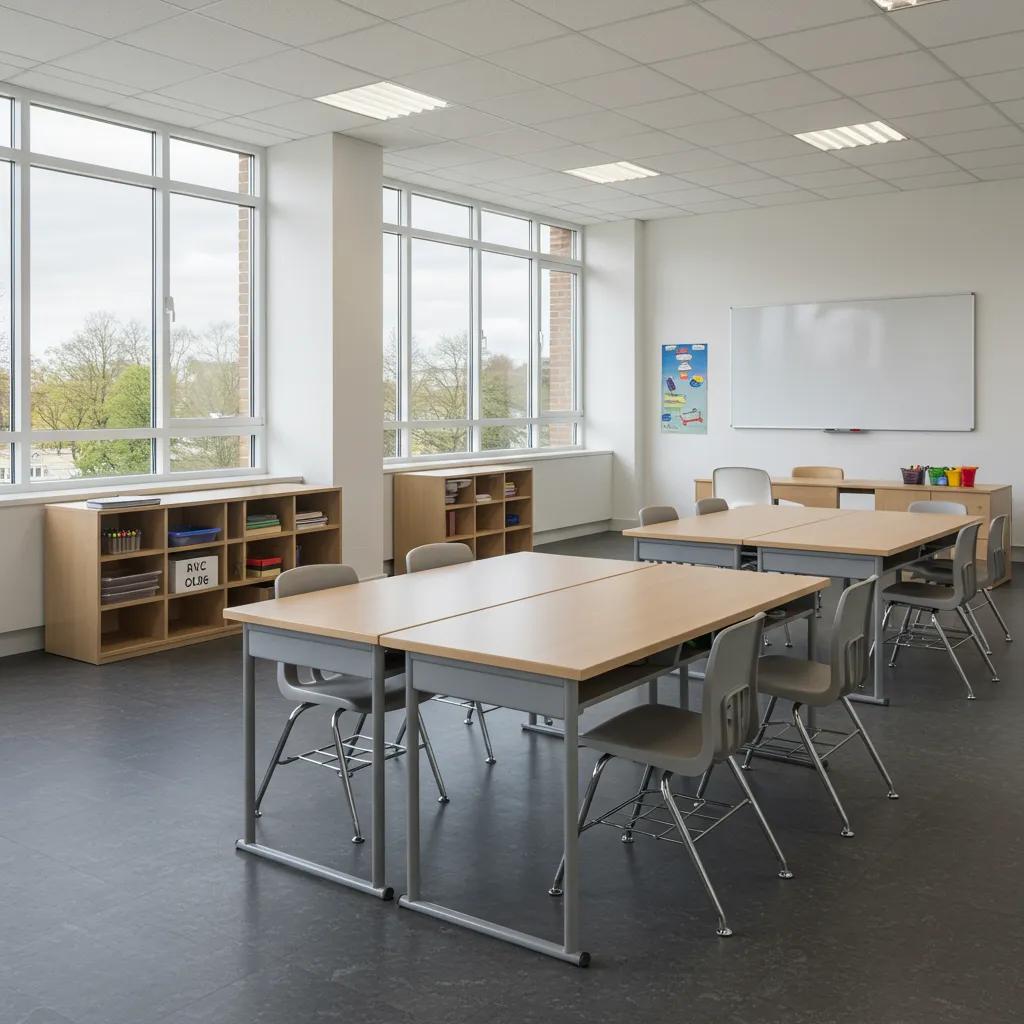
Selecting the right office furniture is crucial for creating a productive and comfortable work environment. Factors such as ergonomics, functionality, and aesthetics play significant roles in making informed choices that enhance employee satisfaction and efficiency.
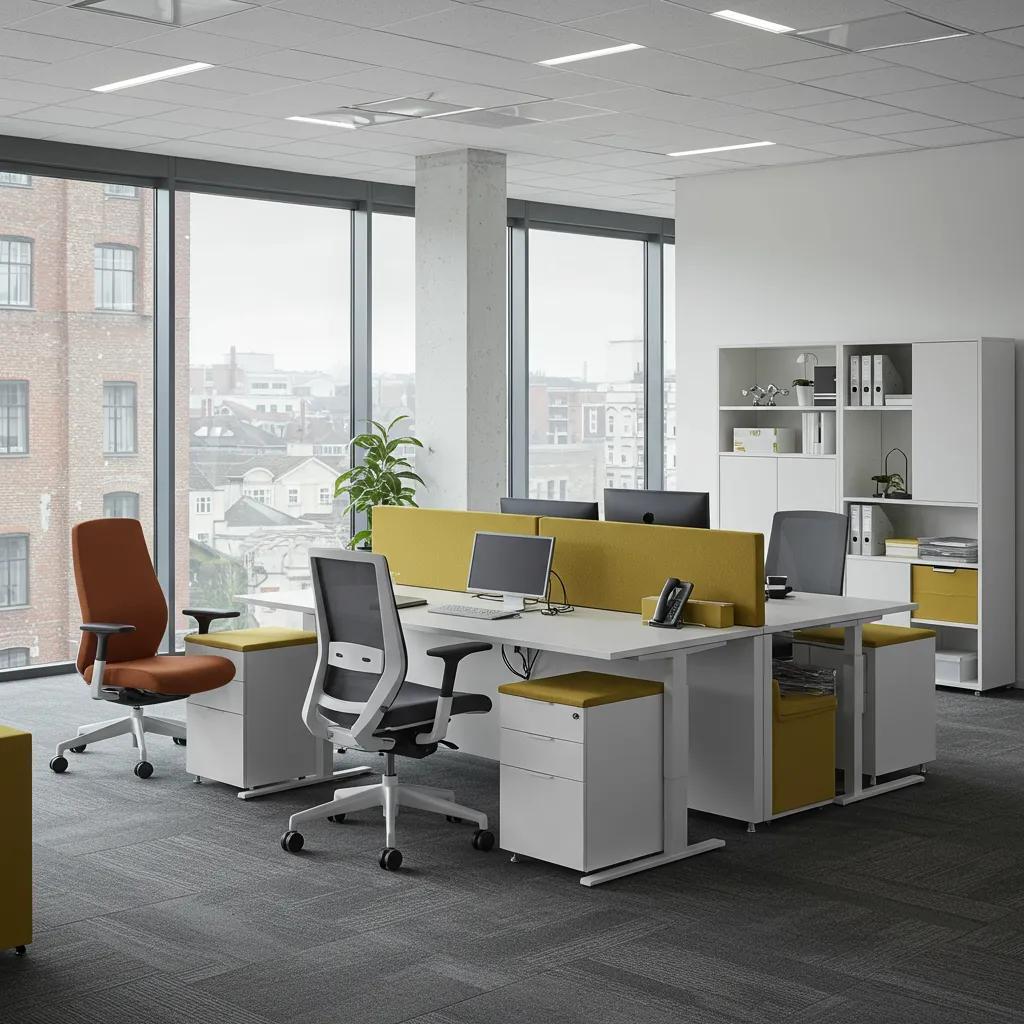
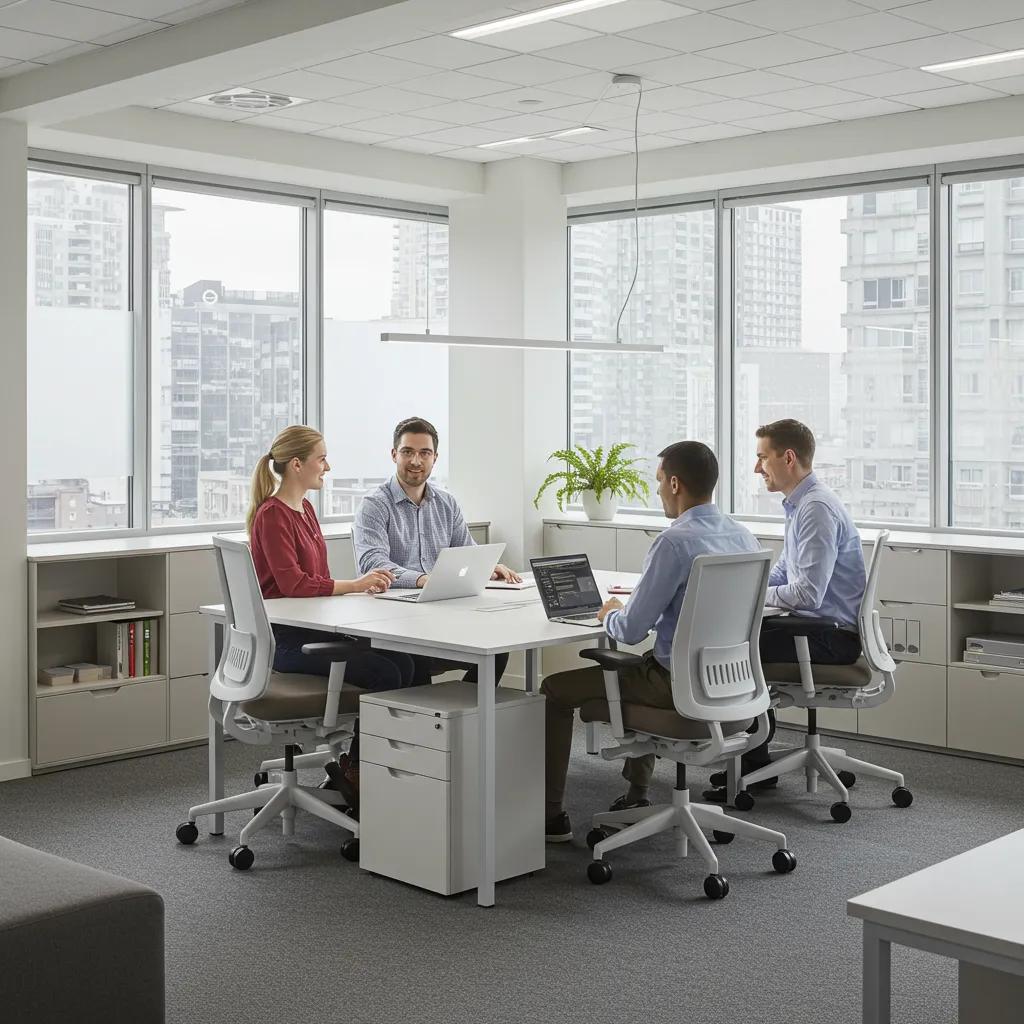
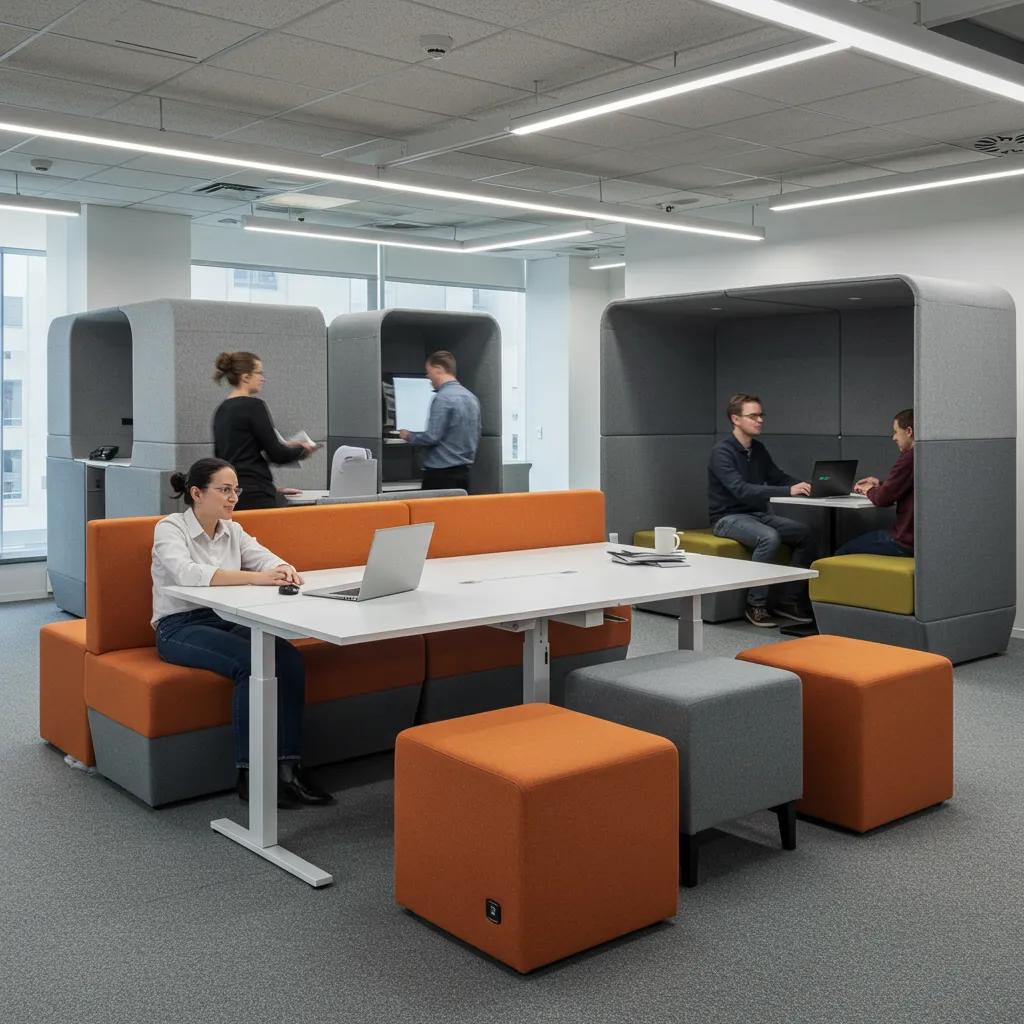
For instance, consider the layout of your office space when choosing desks and chairs. Open-plan offices may benefit from modular furniture that allows for flexibility, while private offices might require more personalized options. Additionally, investing in ergonomic chairs can help reduce the risk of back pain and improve overall health, making it a worthwhile consideration for any business.
Staying updated with current office design trends is essential for businesses looking to create an inspiring workspace. In 2025, we see a shift towards biophilic design, which incorporates natural elements to enhance employee well-being and productivity.
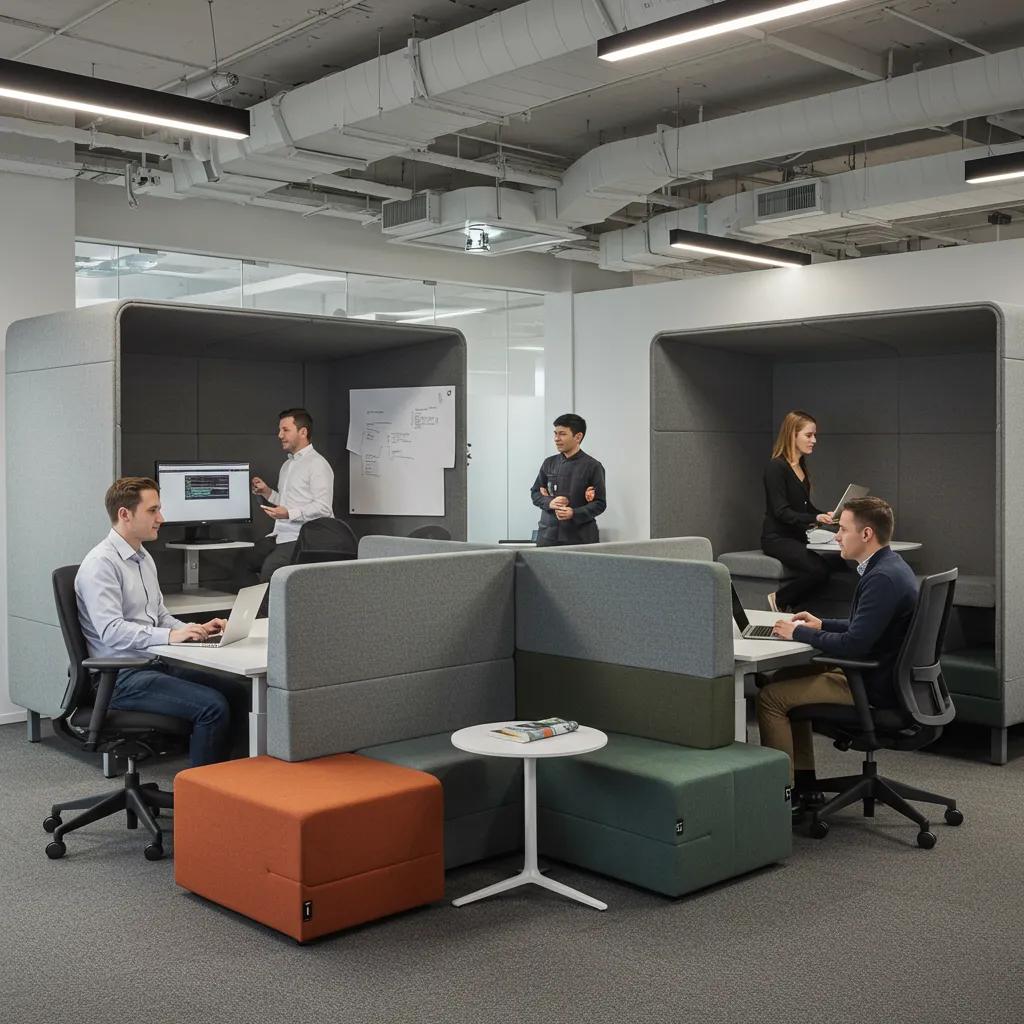
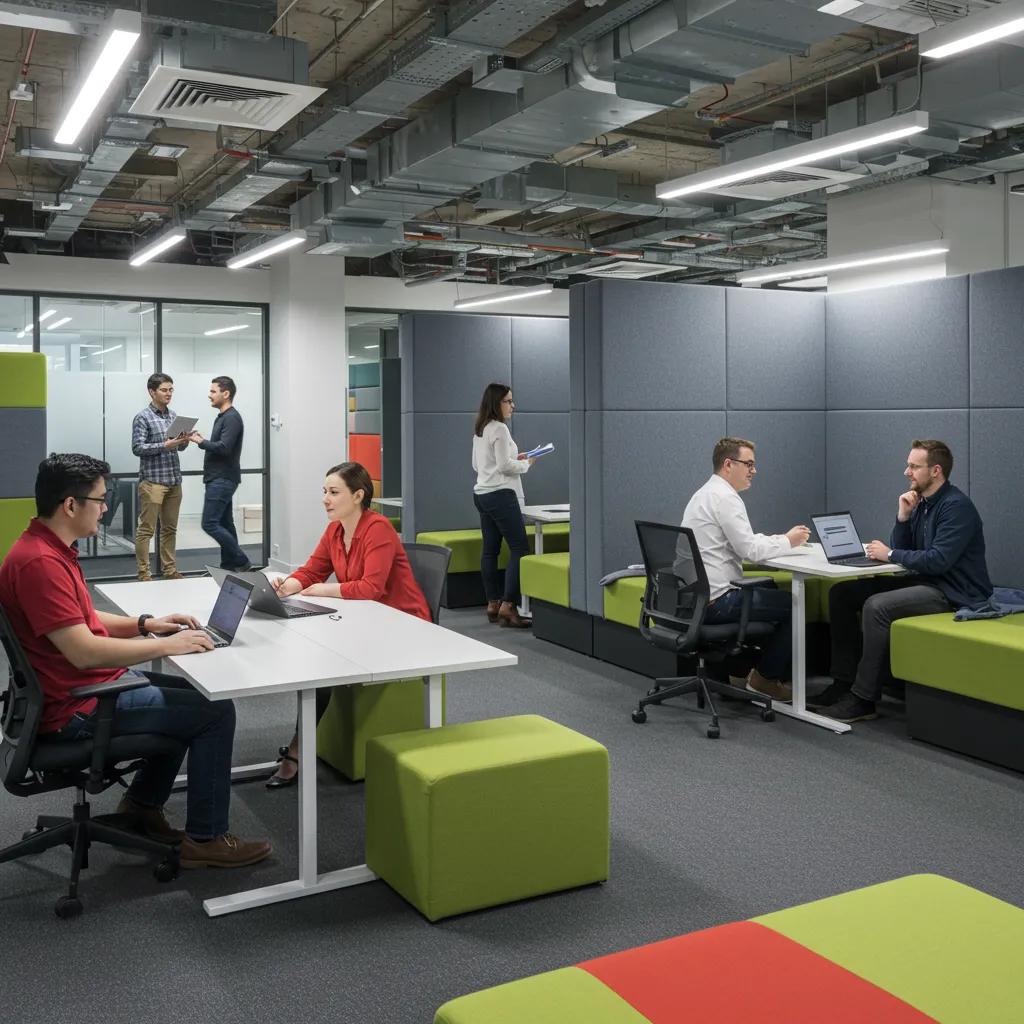
Examples of biophilic design include the use of plants, natural lighting, and materials that mimic nature. Furthermore, flexible workspaces that allow for both collaboration and privacy are becoming increasingly popular, reflecting the evolving nature of work and employee needs. Embracing these trends can help businesses attract and retain top talent.
Ergonomics is the science of designing a workspace that fits the user's needs, significantly impacting comfort and productivity. A well-designed ergonomic workspace can help prevent injuries and reduce fatigue, making it essential for any office environment.
Key elements of ergonomic design include adjustable chairs, desks that accommodate standing or sitting, and proper monitor placement to reduce eye strain. By investing in ergonomic office furniture, businesses can foster a healthier work environment, ultimately leading to increased employee morale and productivity.
Acquiring office furniture can be a significant expense for businesses; however, there are cost-effective strategies to minimize spending without compromising quality. Understanding the market and planning ahead can lead to substantial savings.
Consider options such as purchasing gently used furniture, exploring bulk buying discounts, or negotiating with suppliers for better rates. Additionally, investing in durable furniture may reduce long-term costs by minimizing the need for frequent replacements. By implementing these strategies, businesses can effectively manage their office furniture budget while still creating an inviting workspace.