
Burnley Office Design Solutions to Boost Productivity & Wellbeing
Good office design in Burnley turns workplace challenges into measurable gains. By combining thoughtful space planning, ergonomic furniture and modern fit‑out practice, organisations can raise productivity, reduce absence and improve staff wellbeing. This page explains how a tailored fit‑out delivers those results, from the commercial case and the step‑by‑step process to the design priorities and realistic local cost guidance.
Many businesses struggle with cramped layouts, poor acoustics, or spaces that don’t suit hybrid working; targeted design addresses these problems by aligning space, furniture, and technology with your business goals. Below we map the client journey, brief and site survey, CAD‑led planning, 3D visuals, installation and aftercare and summarise CAT A/CAT B distinctions, sustainability opportunities and typical Burnley price bands. Practical checklists and comparison tables help decision makers in Burnley and Lancashire prepare for refurbishment or a full office fit‑out.
Why should Burnley businesses invest in professional office design services?
Professional office design applies space planning, ergonomics and workplace psychology to make workplaces work better. Thoughtful layouts, clear circulation and acoustic zoning cut distractions and reclaim productive time; ergonomic furniture reduces strain and days off work.
A well‑designed office also improves client‑facing spaces and helps attract talent, turning your premises from a running cost into a business asset. The combined effect is clearer performance gains, stronger retention and better impressions among customers and partners — all of which support long‑term resilience.
In practical terms, office design delivers:
- Higher productivity driven by efficient layouts and less wasted movement.
- Better employee wellbeing through ergonomic workstations and improved daylighting.
- Stronger brand presence and client confidence in reception and meeting areas.
- Flexible spaces that support hybrid working and future growth.
These operational and cultural benefits work together to reduce turnover and ease recruitment. The next sections explain how to prioritise wellbeing and brand outcomes that matter for Burnley businesses.
What are the key benefits of office design for productivity and employee wellbeing?
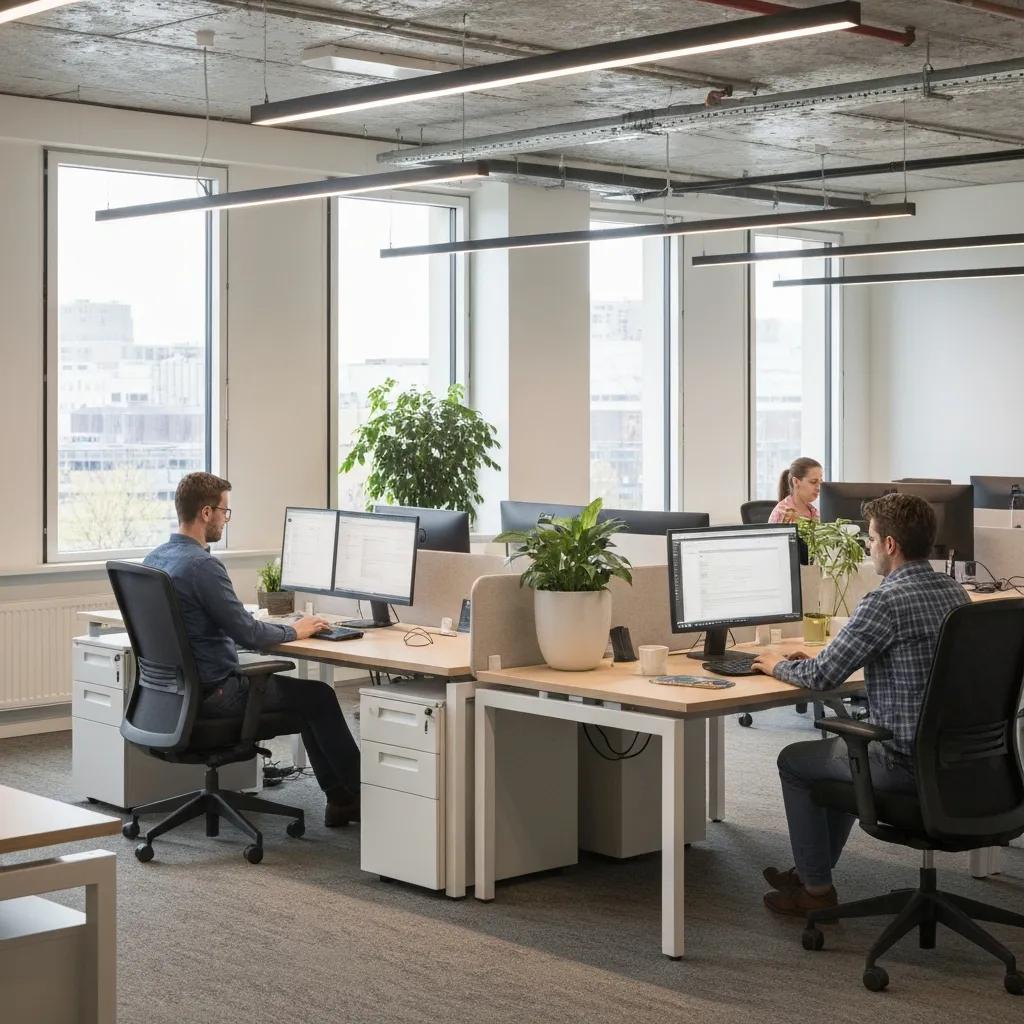
Design improves performance by addressing the physical, cognitive and social aspects of a workplace. Clear space planning reduces unnecessary movement and mental clutter; zoning and acoustic measures limit interruptions, allowing people to focus. Ergonomic choices — height‑adjustable desks, supportive seating and correct monitor setup — lower the risk of musculoskeletal issues and long‑term sick leave.
Natural light, views and simple biophilic touches lift mood and concentration, while informal breakout areas give teams space to recharge and collaborate without disrupting focused work.
Quick, cost‑effective wins for Burnley organisations include clearing circulation routes, adding task lighting and introducing sit‑stand options. These steps are relatively inexpensive and typically produce immediate comfort gains and fewer discomfort complaints. Tracking desk utilisation, occupation patterns and staff satisfaction lets you quantify impact and plan staged improvements. Once these basics are in place, you can move to larger fit‑outs that embed wellbeing into everyday working culture.
The impact of workplace design on employee well‑being and productivity
This study examines how workplace design affects employee well‑being and productivity using MainOne Cable Company (Lagos, Nigeria) as a case study. Well‑being is treated as the overall physical and mental health that supports job performance, while productivity is measured by task completion rates and work quality.
Framed by Social Cognitive Theory (SCT), the research explores how personal factors, behaviours and environmental influences such as layout, furniture and lighting interact to shape employee outcomes. The study used a quantitative cross‑sectional survey of 420 employees across departments, assessing layout, furniture, lighting, noise, temperature and colour schemes. Descriptive statistics in the study highlight measurable links between design elements and employee outcomes.
IMPACT OF WORKPLACE DESIGN ON EMPLOYEE WELL‑BEING AND PRODUCTIVITY, 2025
How does office design improve brand image and talent attraction in Burnley?
Your physical space speaks before anyone does. Reception areas, meeting rooms and collaborative zones shape client impressions and signal how you operate. A carefully considered interior projects competence, a design‑minded culture and a commitment to staff experience — all factors that influence procurement decisions and trust. For recruitment, candidates now weigh workplace quality alongside pay; amenities, flexible layouts and visible investment in wellbeing are genuine differentiators in the local market.
Design cues that reinforce your brand include consistent material palettes, integrated signage and meeting spaces arranged to reflect how your teams work. For Burnley employers, showing a clear commitment to sustainable materials or hybrid‑work readiness will attract people who value ethics and flexibility. When visual language and operational choices align, design becomes a competitive advantage that supports better business outcomes.
What is the comprehensive office design process offered by Lomas Office Furniture in Burnley?
A robust office design process defines the brief, produces efficient plans and delivers an installed space that meets functional and aesthetic goals. We follow a clear workflow: client briefing and site survey, CAD space planning, 3D visualisation, procurement and professional installation with project management oversight. This structure reduces risk, shortens decision cycles and ensures stakeholders approve layouts before work begins.
The process typically follows these steps:
- Initial consultation: clarify objectives, budget and user profiles.
- CAD space planning: produce dimensionally accurate floorplans and furniture layouts.
- 3D visualisation: create renders or walkthroughs to confirm materials and sightlines.
- Procurement and installation: manage delivery, on‑site assembly and quality checks.
- Aftercare and project close‑out: snagging, warranty handover and user guidance.
Lomas Office Furniture supports each stage with value‑adding services: a free, no‑obligation consultation, CAD and space‑planning to optimise utilisation, 3D visuals for stakeholder sign‑off and a skilled installation team to minimise disruption. By combining furniture supply with project delivery, we aim to be Burnley’s straightforward, single‑source solution while keeping clients informed at every step.
How do consultation, CAD space planning, and 3D visualisation enhance your office design?
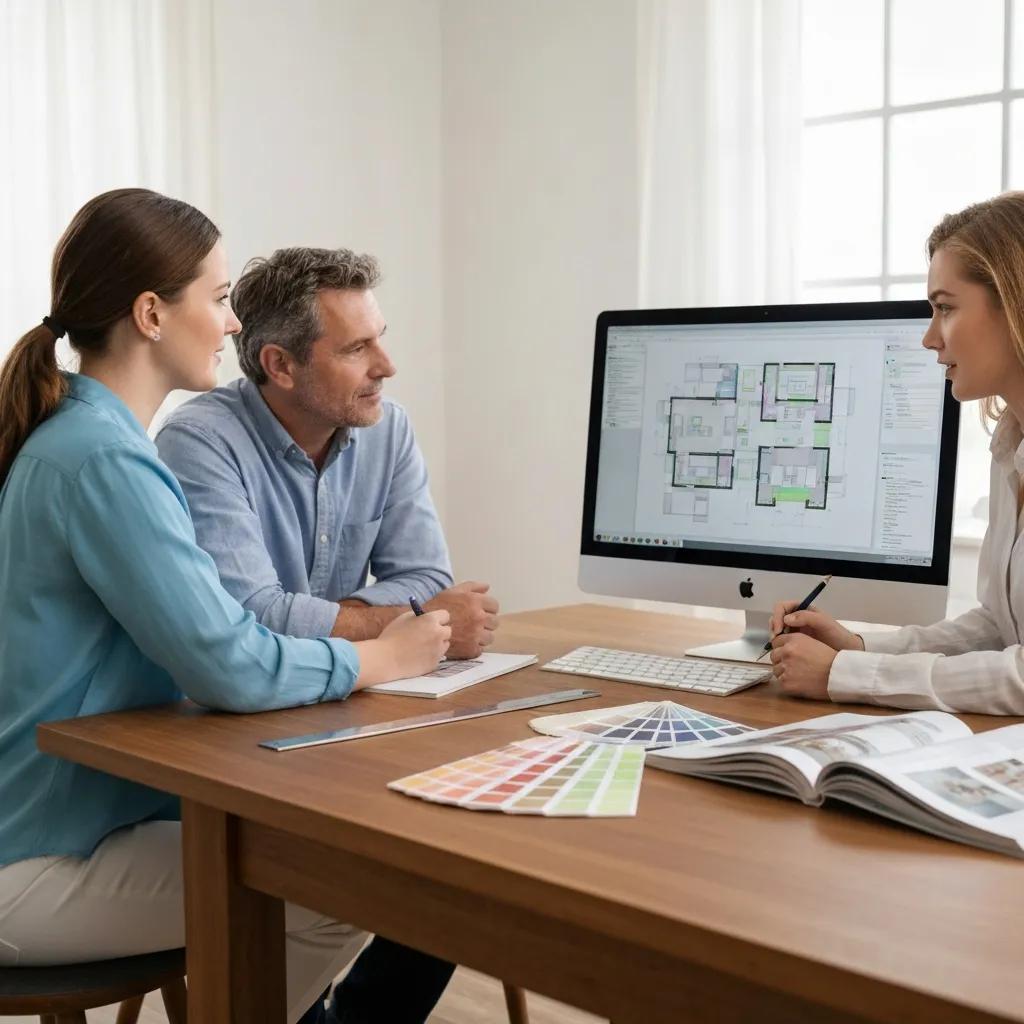
Consultation, CAD planning and 3D visuals work together to validate concepts and avoid expensive changes on site. A detailed consultation captures objectives and user needs; CAD plans then allocate circulation, desks and meeting zones to measurable standards, showing clearances and sightlines. 3D visuals translate technical drawings into realistic images so non‑technical stakeholders can see finishes, light and spatial relationships and approve decisions with confidence.
These tools shorten programmes by reducing revisions and improving clarity — especially helpful when multiple stakeholders or landlords need to sign off. Seeing proposed furniture and finishes in context helps prioritise spend and avoid specification regret. The result is lower risk, tighter budget control and faster delivery.
What are the steps for professional installation and project management in Burnley?
Installation and project management turn approved drawings into a completed workplace with minimal disruption. Good project management sets clear milestones — delivery windows, phased installs and snagging checkpoints — so businesses can plan around critical operations. Our installation teams handle furniture assembly, coordinate M&E where needed and carry out on‑site quality checks, protecting existing finishes and maintaining site safety throughout the fit‑out.
After installation we complete systematic snagging, a final client walkthrough and hand over warranty and aftercare documentation. Strong communication — a named client contact, regular progress updates and a concise punch list — prevents misunderstandings. These controls ensure delivered spaces meet specification, on schedule, with accountable follow‑up.
Which key elements define modern commercial interior design and office fit‑out in Burnley?
Modern commercial interiors balance efficiency, wellbeing and technology to support today’s ways of working. Core elements include considered space planning, ergonomic furniture, acoustic design, biophilic features and hybrid‑meeting technology. Together these create workplaces that support collaboration, focused work and flexibility while reflecting sustainability and brand values.
Priority elements are:
- Space planning and flexible zoning for different work modes.
- Ergonomic furniture and adjustable workstations to protect health.
- Biophilic touches and natural materials to support wellbeing.
- Technology integration for hybrid meetings and smart controls.
These components work together — good planning enables ergonomic deployments, while biophilia and acoustics improve concentration. The table below summarises specific design elements and their typical staff impacts.
Use this comparison to prioritise interventions that deliver the greatest operational and wellbeing returns for your team.
How does space planning and layout optimisation maximise office efficiency?
Space planning organises functions, circulation and adjacencies to reduce wasted floor area and improve workflows. Layout optimisation analyses how space is used — desk occupancy, meeting frequency and storage demand — to size areas correctly and remove underused zones.
Approaches like activity‑based zoning, touchdown areas and modular furniture increase flexibility and allow teams to scale without major works. Measured methods, including utilisation studies and CAD simulations, test scenarios before you commit to change.
Typical benefits include better desk‑to‑person ratios, clearer collaboration hubs and less wasted circulation. For many Burnley businesses a modest reconfiguration delivers noticeable efficiency gains without a full fit‑out, creating a staged route to larger investments in comfort and technology.
What role do ergonomic furniture and biophilic design play in employee wellbeing?
Ergonomics and biophilia directly affect physical comfort and mental recovery at work. Adjustable desks, supportive chairs and correctly positioned screens reduce strain and long‑term musculoskeletal risk; plants, natural materials and good daylight improve mood and cognitive performance.
Together these changes lower health‑related absences, raise concentration and boost job satisfaction. Solutions can be scaled from individual sit‑stand workstations to planting schemes and daylight optimisation that fit your budget.
Simple, cost‑effective steps — quality task chairs, desk converters, potted plants and light‑reflecting finishes — often deliver strong returns by improving everyday comfort and signalling investment in staff. These measures pair well with sustainable material choices and can be phased to spread cost across financial years.
How can office refurbishment and fit‑out services in Burnley transform your workspace?
Refurbishment and fit‑out convert buildings into productive, branded workplaces that reflect how you operate. Works can range from surface refreshes to full fit‑outs that change layout, services and finishes to support your operating model. The result is both functional — optimised workflows — and perceptual — improved client and staff impressions — delivering value for landlords and occupiers alike.
Common transformative outcomes include more usable workspace, modern meeting and collaboration areas, better environmental performance and a stronger employer brand. Choosing the right fit‑out approach depends on tenancy goals and long‑term plans; the CAT A/CAT B definitions and sustainability considerations below help guide cost and phasing decisions for Burnley projects.
What are CAT A and CAT B fit‑outs and their benefits for Burnley businesses?
CAT A creates a basic, landlord‑ready finish with essential services; CAT B is tenant‑led and delivers bespoke layouts, finishes, furniture and branding. CAT A typically covers ceilings, lighting, raised floors and basic M&E; CAT B adds partitions, tailored finishes, IT infrastructure and furniture. Tenants with longer leases usually benefit from CAT B works that align the space to their operations; landlords use CAT A to speed re‑letting and limit their initial capital exposure.
Deciding between CAT A and CAT B depends on lease length, budget and strategic control. For Burnley businesses, matching the fit‑out type to your operational horizon helps balance immediate needs with future flexibility.
How do sustainable materials and eco‑friendly practices influence office refurbishment?
Sustainable materials and eco practices lower environmental impact and running costs while meeting regulatory and stakeholder expectations. Low‑VOC paints, recycled carpets and responsibly sourced timber improve indoor air quality and reduce embodied carbon. Energy‑efficient lighting and smart controls cut energy use, and reuse or modular furniture reduces waste and supports a circular approach.
These measures often produce operational savings and strengthen employer reputation in local labour markets. Practical steps include prioritising low‑VOC finishes, specifying LED lighting with daylight controls and choosing durable furniture with spare parts availability. Sustainability can be scaled to suit small refurbishments or full fit‑outs.
What are the typical costs and pricing factors for office fit‑out and design services in Burnley?
Fit‑out costs in Burnley vary by specification, scope and programme; the cost bands below give a practical starting point for early budgeting. Projects typically fall into low, mid and high bands depending on finishes, services and furniture choices. Major cost drivers include M&E upgrades, structural changes, high‑spec finishes and compressed programmes that push labour premiums. Clear briefs and staged procurement help control contingency and keep projects on budget.
Below is a simple cost‑comparison table showing common project types, indicative cost bands and typical timelines for Burnley projects.
Use these figures as a baseline for initial conversations; accurate quotes require a site survey and a detailed brief. The following section explains major cost drivers and ways to mitigate them.
What is the cost range per square foot for office fit‑outs in Burnley?
As a guide, expect typical fit‑out costs of around £45–£120 per sq ft depending on specification and services. Lower bands cover basic refreshes and standard furniture packs; mid bands include partitioning, modest M&E work and branded finishes; higher bands cover bespoke joinery, advanced AV and specialist installations. This range sets realistic expectations but does not replace a tailored quotation based on a site survey and scope.
Knowing what each band delivers helps clients trade off finish quality, furniture specification and technology. For many Burnley businesses a mid‑spec fit‑out offers the best balance of value and durability, while targeted investments in ergonomics and biophilia often produce clear measurable returns.
Which factors affect office design and fit‑out pricing in Burnley?
Costs depend on specification level, structural work, mechanical and electrical (M&E) needs, furniture quality, access and programme length. Structural alterations and M&E upgrades are usually the largest expenses beyond finishes; bespoke joinery and premium materials also raise budgets. Tight programmes, site restrictions and specialist safety requirements add labour premiums, while phased works and standardised furniture packs help manage cashflow and limit variance.
Key cost drivers to consider:
- Specification and finish level
- Extent of M&E or structural works
- Furniture quality and warranty expectations
- Project timescale and access constraints
- Waste removal and disposal complexity
Thorough scoping, early surveys and staged procurement reduce surprises and help Burnley clients align spend with business priorities.
This view highlights where contingency is most useful and helps you prioritise interventions that deliver the strongest return.
Why choose Lomas Office Furniture for your office design and refurbishment projects in Burnley?
Lomas Office Furniture offers a single‑source approach for Burnley organisations that want furniture‑led design and managed installation. We combine practical planning, visualisation and delivery, beginning with a free, no‑obligation consultation to clarify needs, CAD and space planning to optimise layouts, and 3D visuals to secure stakeholder buy‑in before procurement. A skilled installation team completes projects while minimising disruption, and integrated procurement with project management helps keep cost and timing predictable.
Lomas’ practical advantages include:
- Free, no‑obligation consultation to define scope and priorities.
- CAD and 3D visualisation to confirm designs and reduce risk.
- Experienced installation teams and competitive pricing to manage delivery.
- A single point of contact for furniture, fit‑out advice and project coordination.
These services reduce client effort and create predictable outcomes during refurbishments and fit‑outs. If you’re preparing a brief for Burnley premises, an initial consultation is a sensible next step to turn design goals into an actionable plan.
What unique value propositions does Lomas offer for Burnley office design?
Lomas brings local knowledge of Lancashire and Burnley projects together with technical CAD and space‑planning capability that speeds decision making. Our free consultation makes it easier to get professional advice, while combined procurement and installation simplify supplier management for busy teams. Competitive pricing and a single point of contact reduce administrative overhead and help keep projects on schedule — valuable where operational continuity matters.
Consultation, technical planning and installation work together to lower risk, accelerate delivery and control budgets. By aligning furniture supply with project management, Lomas streamlines the fit‑out experience for Burnley organisations.
How have our Burnley projects improved workspace productivity and client satisfaction?
Local projects delivered with structured planning and ergonomic specification commonly report better space utilisation, improved staff comfort and stronger client impressions after refurbishment. Typical measurable results include higher desk occupancy, fewer comfort complaints and more effective meeting spaces that support hybrid working. Clear visual approvals and efficient project management shorten delivery times and reduce disruption, which clients consistently value.
These outcomes — improved utilisation, greater wellbeing and a stronger brand presence — are the expected results of combining thoughtful planning, quality furniture and professional installation. For Burnley businesses, a clear brief and CAD‑validated layouts increase the chance that a refurbishment will deliver lasting operational and staff benefits.
Frequently asked questions
What are the common challenges businesses face with office design in Burnley?
Common issues in Burnley include inefficient layouts, poor acoustics and limited flexibility for hybrid working. These problems can reduce productivity and employee satisfaction. Outdated furniture and inadequate technology also hinder collaboration. Professional office design addresses these problems to create functional, attractive spaces that support wellbeing and day‑to‑day operations.
How can office design impact employee retention rates?
Office design influences retention by creating environments that promote comfort, collaboration and productivity. A well‑designed workspace with ergonomic furniture, good lighting and welcoming communal areas improves job satisfaction. When people feel comfortable and valued at work, they’re more likely to stay. A modern, well‑appointed office also helps attract strong candidates.
What role does technology integration play in modern office design?
Technology is central to modern office design, enabling smooth communication and collaboration, especially for hybrid teams. Video conferencing, interactive displays and reliable AV make meetings work; energy management and booking systems improve efficiency and reduce running costs. A well‑designed tech strategy reduces friction and supports current working practices.
How can businesses measure the success of their office design project?
Measure success with employee satisfaction surveys, productivity metrics and space utilisation rates. Changes in absenteeism and turnover also indicate the design’s impact on wellbeing. Improvements in collaboration and meeting effectiveness are further signs of success. Ongoing staff feedback after implementation ensures the space continues to meet needs.
What are the benefits of using sustainable materials in office design?
Sustainable materials lower environmental impact and improve indoor air quality. Low‑VOC paints, recycled carpets and responsibly sourced timbers create a healthier workplace. Eco‑friendly choices also strengthen brand reputation and can reduce operating costs through energy efficiency, making sustainability a practical investment for future‑proofing offices.
How does office design influence client perceptions and business reputation?
Office design shapes client perceptions by reflecting your values and professionalism. Modern, functional spaces create a positive first impression and boost confidence. Thoughtful reception and meeting areas improve the client experience. Investing in quality design positions your business as competent and trustworthy.
What steps should businesses take before starting an office design project?
Begin with a needs assessment to define objectives and requirements. Involve staff through surveys or workshops to gather practical input. Set a clear budget and timeline, and seek professional advice early to scope the project accurately. A well‑prepared brief and early engagement with design experts help ensure the final outcome meets operational goals.