
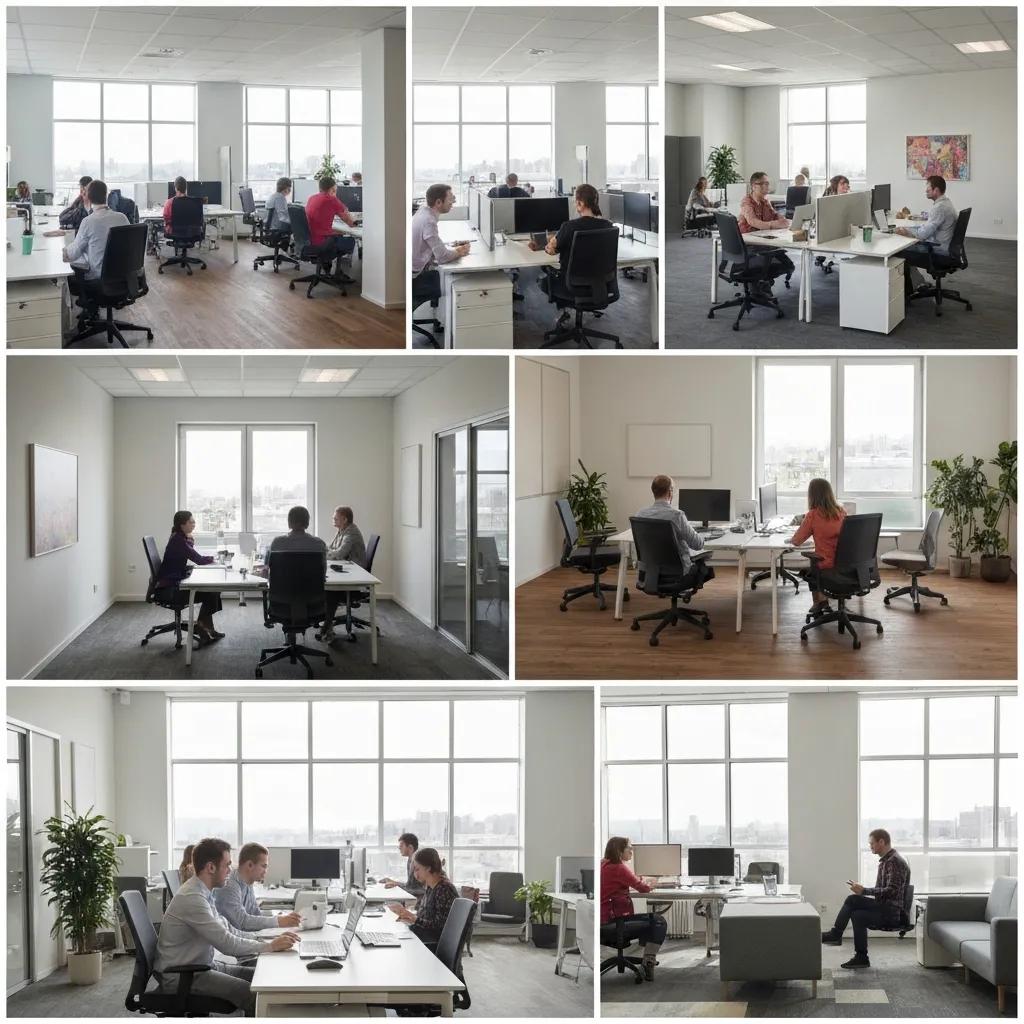
Office design services in Clitheroe — Practical, CAD-led solutions to transform your workspace
A well-planned office affects productivity, staff wellbeing and the impression your business makes on clients in Clitheroe. This guide explains how professional office design and fit-out services deliver measurable gains in space efficiency, comfort and brand presentation, and it walks through the practical steps local firms should expect when planning a refurbishment or full fit-out.
You’ll learn why choices like ergonomics, acoustic strategy and flexible zoning matter, how an end-to-end project runs from consultation to handover, which solutions suit different budgets and sizes, and how sustainability and wellbeing fit into modern workplace planning. The recommendations draw on CAD-led planning, contemporary workspace practice and practical considerations for Clitheroe-area delivery.
Why use professional office design for your Clitheroe business?
Professional office design turns empty or tired space into an environment that supports how people work, cuts operational waste and reinforces your brand through considered materials and layout. Good design aligns zoning, ergonomic furniture and acoustic treatments with core workflows to deliver measurable outcomes: higher desk utilisation, lower presenteeism and clearer client-facing areas.
It also anticipates technical needs and integrates services so the space works reliably from day one. For Clitheroe organisations, local knowledge of suppliers, regulations and contractor logistics reduces risk and helps keep projects on time and on budget. The sections that follow explain how design boosts productivity, brand alignment and space efficiency so decision-makers can focus on the highest-return interventions.
Design improves day-to-day performance by removing physical and cognitive friction with evidence-based interventions. Ergonomic seating, correctly set desk heights and activity zoning reduce strain and support concentration, which lowers absence and increases output. Daylight, sightlines and acoustic treatment shape when teams focus or collaborate, allowing people to move between modes without disruption. These effects become measurable when combined with simple occupancy tracking and post-occupancy reviews.
Design choices also influence how customers and staff perceive your business. Finishes, joinery and the sequence of spaces communicate values; a well-considered reception, for example, signals professionalism, while collaboration hubs and private focus rooms support culture and autonomy. Choosing durable materials reduces lifecycle costs and helps align the physical environment with your sustainability targets.
Efficient space planning reduces cost per workstation and increases usable floor area through zoning, multi-purpose furniture and optimised circulation. By analysing core activities and peak occupancy, planners can raise utilisation without expanding the footprint, and CAD-led plans make those trade-offs clear.
- Higher productivity from ergonomic interventions and activity-based zoning.
- Improved staff wellbeing through daylighting, acoustic control and comfortable furniture.
- Clearer brand expression at reception and client-facing areas.
- Better space efficiency and lower operating cost per square metre through expert planning.
These outcomes make the case for investing in design; next we outline the typical process a Clitheroe business will go through when working with a specialist.
Many local businesses choose a nearby specialist for practical delivery. At Lomas Office Furniture we offer a free, no-obligation consultation and CAD-led space planning to produce clear proposals, and our installation teams handle on-site fitting with a single point of contact for project management. If you want a straightforward route to a CAD proposal and local installation, ask us for a free consultation to clarify scope and timings.
How does office design boost productivity and employee wellbeing?
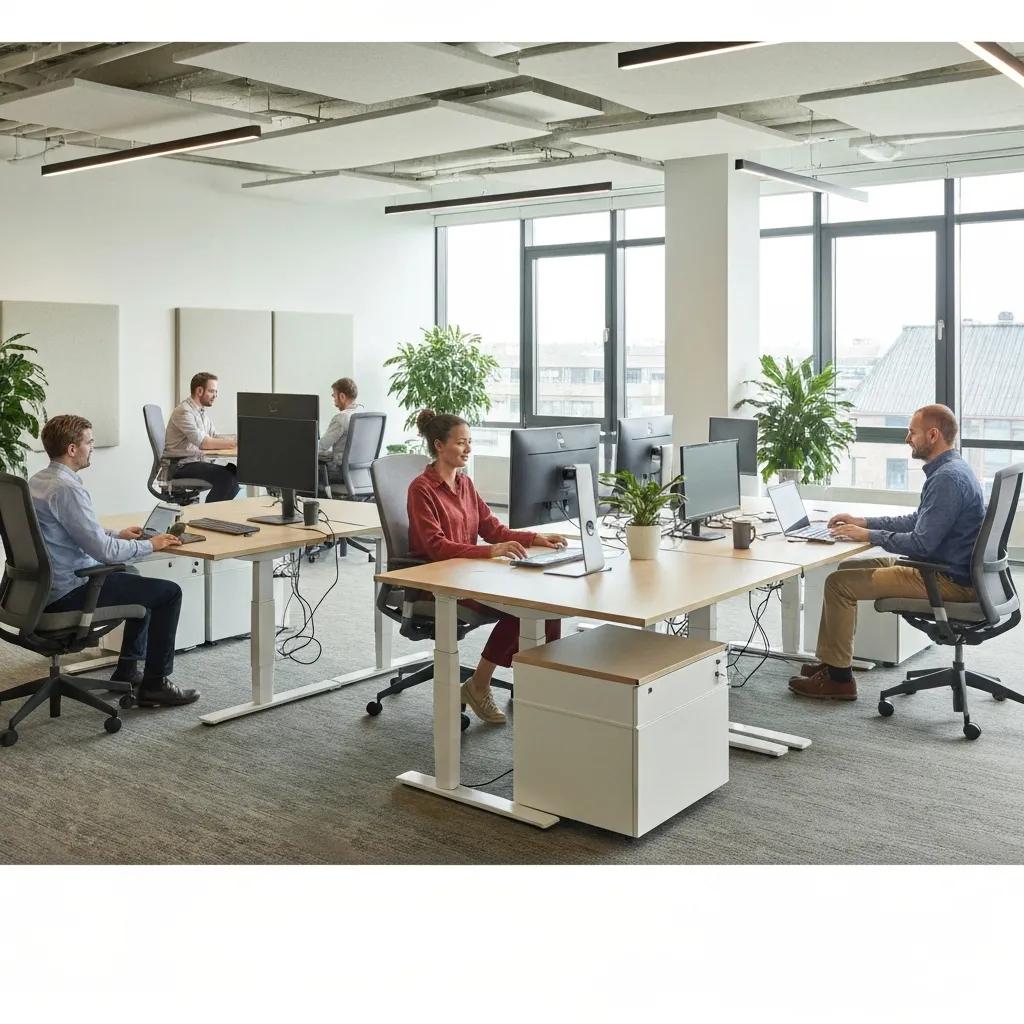
Office design improves productivity and wellbeing by tackling ergonomic needs, circulation, daylight access and acoustic privacy so people experience less physical strain and fewer interruptions. Sit–stand desks and supportive chairs reduce musculoskeletal complaints and encourage healthier postures; clearly zoned layouts let teams shift between focused work and collaboration without wasted movement.
Acoustic screens, absorbent finishes and quiet rooms reduce distraction in open-plan areas, helping people concentrate and finish tasks faster. These improvements also support retention: staff who feel comfortable and cared for are less likely to leave, which reduces recruitment costs.
A simple example is converting surplus corridor space into touchdown points beside team hubs; that increases informal collaboration while keeping quiet zones intact. Monitoring post-occupancy use and gathering employee feedback confirms the impact and lets you make small, effective adjustments. Understanding these mechanisms helps you prioritise changes that deliver the quickest measurable returns.
What role does design play in strengthening brand and culture?
Office design translates values into spatial choices, materials and the client journey. A reception strategy that uses quality joinery and considered finishes signals professionalism; visible project walls and flexible hubs communicate openness and teamwork. Thoughtful placement of meeting rooms and client areas shapes external impressions, while consistent wayfinding and material palettes guide staff behaviour.
Practical examples include bespoke reception joinery that subtly incorporates corporate colour, or specifying sustainable materials to reflect environmental values. These tangible choices help align workplace culture with the message you want to send to employees and customers, supporting recruitment and client relationships through consistent spatial cues.
How can efficient space planning maximise your Clitheroe office?
Efficient planning makes the most of available area using zoning, desk-density analysis and purpose-built storage to cut unnecessary circulation and consolidate functions. Zoning separates focus, collaboration and social areas so each activity has the right acoustic treatment and furniture.
Mixed-use furniture lets desks serve different needs across the day. CAD-led planning provides precise desk spacing and circulation analysis, lowering the risk of rework and supporting accurate procurement.
A common target is improving utilisation: modest redesigns can increase desk use by reallocating underused meeting rooms and adjusting hot-desking ratios. Starting with an occupancy study or stakeholder interviews clarifies priorities and keeps design focused on headcount and workflow requirements.
What is the office design process for Clitheroe businesses?
The process for Clitheroe businesses follows a clear sequence—consultation, space planning and detailed design, procurement, installation and handover—to reduce uncertainty and deliver predictable results. Each phase produces tangible outputs: a written brief from consultation, accurate 2D and 3D CAD plans during design, and a coordinated installation schedule for the fit-out.
Clear responsibilities, single-point project management and milestone sign-offs limit scope creep and help ensure timely handover. The list below summarises the typical steps when commissioning a professional office design service.
- Consultation and brief development to capture requirements, culture, budget and constraints.
- Space planning and 3D CAD visualisations to model layouts, sightlines and furniture arrangements.
- Detailed specification, procurement and project scheduling to confirm costs and lead times.
- Professional installation, snagging and handover with aftercare and post-occupancy review.
These stages turn strategic goals into buildable plans and accountable delivery.
How does the free consultation and needs assessment work?
The initial consultation usually begins with a site visit or remote survey and stakeholder interviews to capture operational needs and cultural priorities. Deliverables include a written brief or proposal that sets out objectives, headcount assumptions, budget boundaries and suggested next steps—this becomes the design brief.
On-site measurements and an audit of services (power, lighting and circulation) identify technical constraints early so costs and timelines are more accurate. Expect an agenda-driven meeting with clear outcomes and the option to proceed to CAD-led proposals.
Use a short checklist during consultation: occupancy patterns, fixed technical needs, preferred materials and any planning constraints. A structured approach reduces ambiguity and lets the design phase proceed with clear sign-off points and cost visibility.
What are the advantages of space planning and 3D CAD design?
Space planning backed by 3D CAD gives visual clarity and technical precision that reduce change orders and increase client confidence before procurement. CAD models support clash detection, exact measurements and sightline checks so furniture, partitions and services integrate smoothly. Renders and walkthroughs help stakeholders picture the finished space, speeding decisions and limiting surprises at install. The technical detail also supports cost predictability with accurate schedules of works and furniture lists.
CAD makes it easy to test multiple layouts quickly and compare options for desk spacing, circulation and meeting provision. That transparency shortens procurement and improves the chance of meeting schedule and budget targets.
How is professional installation and project management delivered?
A single point of contact coordinates installation—typically a site manager—who organises deliveries, liaises with contractors and manages quality control and snagging. Install teams follow health and safety procedures, work to an agreed daily schedule to minimise disruption and make on-site adjustments where tolerances require. Post-install checks, finishing trades and a final client walk-through complete the handover; aftercare then addresses any minor defects or tweaks.
At Lomas Office Furniture we convert CAD-led proposals into fitted interiors with a skilled installation team and dedicated project management. If you need support, our free consultation will clarify logistics and provide a clear timeline and single on-site contact.
Below is a concise table summarising the process steps, deliverables, and typical client benefits and timeframes.
The design process clarifies what clients receive at each stage and the likely outcome.
This sequence helps clients plan resources and minimise downtime during a fit-out.
Which office design solutions are available for Clitheroe businesses?
Clitheroe organisations can choose from a range of design services: full office fit-outs, targeted refurbishments, bespoke furniture packages, ergonomic upgrades and acoustic treatments. Each option differs by scale, main cost drivers and likely business outcome:
full fit-outs deliver a complete transformation, refurbishments refresh key areas, and bespoke joinery solves awkward site geometry while reinforcing brand. Match solution scope to current needs, future headcount and budget to avoid over- or under-investing. The short list below summarises typical offerings and when to consider each.
- Office fit-out: End-to-end delivery for new tenancies or shell spaces, covering services, partitions and furniture.
- Office refurbishment: Targeted updates—flooring, lighting and reconfiguration—to modernise existing space.
- Bespoke furniture and joinery: Custom reception counters, fitted storage and modular desk systems for challenging layouts.
The following paragraphs expand on fit-out versus refurbishment and bespoke furniture with practical considerations for decision-makers.
What are the options for fit-out and refurbishment in Clitheroe?
Fit-out options range from Category A shell completion through Category B tenant fit-outs to fully bespoke interiors with custom joinery and specialist finishes. Refurbishment can be a cosmetic refresh—new paint, carpets and furniture—or a structural reconfiguration involving mechanical and electrical work.
Key cost drivers include M&E upgrades, partition systems, specialist flooring and bespoke joinery; understanding these helps prioritise scope against budget. Timelines scale with complexity: small refurbishments can be phased over days or weeks, while full fit-outs need longer lead times for materials and coordination.
A simple cost/benefit matrix helps choose between immediate needs and longer-term flexibility; the table below compares solutions, typical use cases and likely benefits.
This comparison helps pick the approach that best matches priorities and budget.
How does bespoke office furniture support your workspace?
Bespoke furniture resolves irregular site geometries, reinforces brand through custom finishes and integrates ergonomic features into the layout. Examples include reception joinery with built-in storage, fitted benching matched to floor plates and custom meeting tables with integrated power and data. Lead times vary by complexity and finish, but the premium often delivers better space use and a cohesive look that off‑the‑shelf products can’t match.
When assessing bespoke options, include installation and aftercare in the total cost of ownership. Skilled installers ensure an accurate fit and finish and reduce site adjustments at handover.
What are the latest trends in collaborative and ergonomic workspace design?
Current trends emphasise hybrid-ready spaces, flexible furniture, acoustic pods and biophilic elements that support wellbeing and retention. Hybrid strategies mix fixed and flexible desks, with touchdown spaces and team hubs that match varying office attendance. Acoustic pods and screens provide privacy within open plans, while sit–stand desks and quality chairs remain core ergonomic items.
Practical tips: specify modular furniture that can be reconfigured inexpensively, prioritise acoustic treatments in noisy areas and introduce plants or natural finishes to support wellbeing and air quality. These measures scale from small offices to larger workplaces.
Below is a quick comparison of common solutions, typical use cases and benefits.
This comparison helps prioritise investments that deliver the biggest daily benefits.
How does sustainable and wellbeing-led design benefit Clitheroe offices?
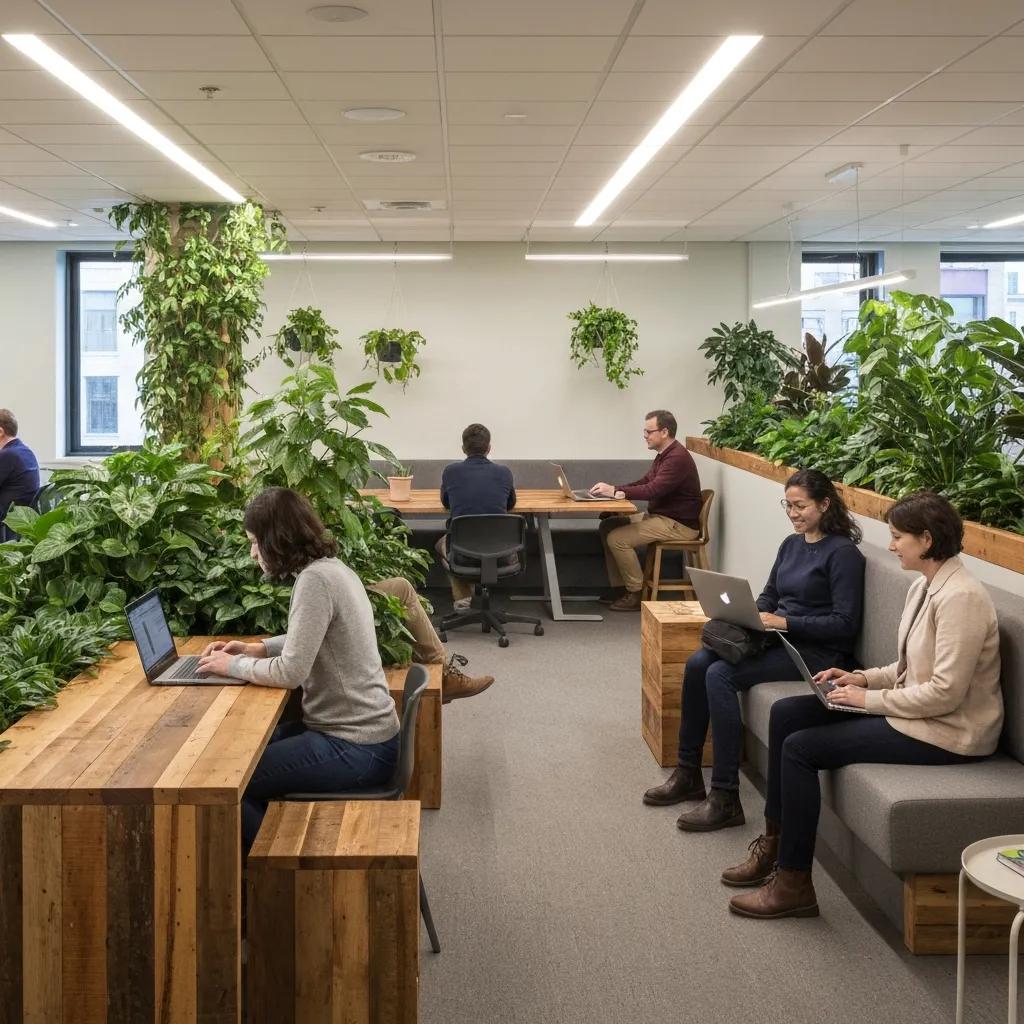
Sustainable, wellbeing-focused design lowers operating costs and supports staff health by choosing materials and systems that reduce embodied carbon, cut energy use and improve indoor environmental quality. Options like reclaimed timber, recycled-content carpets and low‑VOC finishes reduce lifecycle impact and support corporate responsibility goals.
Wellbeing measures—ergonomic furniture, daylighting, biophilic features and acoustic control—improve comfort, reduce sickness absence and support staff retention. Together these strategies deliver longer-term value through lower maintenance and replacement costs.
The table below summarises common sustainable materials and practices and their practical benefits, so clients can prioritise procurement choices.
Sustainable materials and practices comparison:
These choices show how procurement affects both environmental performance and occupant wellbeing, helping businesses hit sustainability objectives while improving the workplace.
What sustainable materials and practices are used in office design?
Designers favour materials and systems that balance durability, appearance and environmental impact—low‑VOC finishes, recycled textiles and responsibly sourced timber where possible. Operational measures such as LED lighting with occupancy controls and zoned heating reduce energy use, and selecting long-life furniture lowers replacement frequency. Procurement that asks for environmental product declarations and end-of-life recycling options reduces long-term cost and impact.
For procurement, request lifecycle data and choose maintainable finishes that extend service life, reducing total cost of ownership and supporting sustainability reporting.
How do ergonomic furniture and acoustic solutions improve comfort?
Ergonomic furniture—sit–stand desks, supportive task chairs and adjustable monitor arms—reduces strain and supports varied working postures, improving comfort and lowering musculoskeletal risk. Acoustic measures—absorbent ceilings, screen dividers and enclosed pods—cut background noise and protect concentration in shared areas. Together these elements raise satisfaction, reduce distractions and support both focused work and collaboration in the same environment.
Specifying ergonomic standards and acoustic targets early ensures furniture and spatial choices align, producing measurable gains in comfort and performance.
The table below summarises common ergonomic and acoustic elements, their attributes and client value.
This table helps prioritise specifications that directly improve occupant comfort and office performance.
What are real examples of successful office projects in Clitheroe and Lancashire?
Local projects show how design changes translate into measurable benefits: improved utilisation, clearer customer journeys and higher staff satisfaction. Case studies usually follow a problem → solution → outcome pattern: an initial brief defines constraints, design and procurement resolve layout and furniture choices, and installation delivers the finished workspace.
CAD renders and before/after photos illustrate transformations and support decision-making. The subsection below summarises typical project roles and outcomes local businesses can expect when working with a full-service supplier.
Regional projects often combine space planning, bespoke joinery and coordinated installation to deliver operational gains. For example, a small professional services firm might reconfigure meeting rooms and add touchdown areas to boost collaboration, while a larger office could turn surplus circulation into informal hubs to raise utilisation. Key deliverables include CAD visuals, furniture schedules and a managed installation programme that keeps disruption to a minimum.
How have local businesses transformed their workspaces with Lomas?
Businesses across Lancashire have benefited from an integrated service that includes design, product specification and installation from a single supplier. Lomas Office Furniture acts as a one-stop partner, turning CAD-led proposals into fitted interiors via our installation teams and project managers, reducing the complexity of dealing with multiple contractors.
This approach shortens procurement and helps preserve design intent through to completion. These regional examples show how combining design expertise with local installation capability produces smoother delivery and clearer outcomes for clients of all sizes.
What measurable benefits resulted from these refurbishments?
Typical measurable benefits after refurbishments include higher space utilisation, fewer noise complaints and improved staff satisfaction scores from short post-occupancy surveys. Organisations often report increased desk usage, reduced distractions and better perceptions of workplace quality. Tracking these metrics before and after refurbishment validates design choices and informs any further adjustments.
Using occupancy monitoring and staff surveys gives the data needed to quantify return on investment and refine space-planning decisions.
Active benefits management ensures office fit-outs deliver their intended outcomes and real value to the organisation.
Benefits management in office fit‑out projects
ABSTRACT: Baccarini D, Bateup G (2008), “Benefits management in office fit‐out projects”. Facilities, Vol. 26 No. 7‑8, pp. 310–320, doi:https://doi.org/10.1108/02632770810877958. The paper examines how benefits are identified, planned, controlled and realised in office fit‑out projects using three case studies.
What are common questions about office design services in Clitheroe?
Clients often ask about cost, timelines, how to choose a supplier and the value of integrating technology. Clear answers help set realistic expectations before you commission design work.
How much does office design cost in Clitheroe?
Costs vary depending on scope, finishes and technical requirements. Major drivers are mechanical and electrical work, partitioning, flooring and bespoke joinery. Start budgeting with a clear brief to decide between a partial refurbishment and a full fit-out—the clearer the brief, the more accurate the estimate. For a tailored quote, request a free consultation so we can assess constraints and produce a costed proposal that reflects local supply and installation factors. A written proposal early in the process helps avoid scope changes and supports reliable budgeting.
What is the typical timeline for an office fit‑out project?
Timelines depend on scale: small refurbishments can finish in a few weeks, medium projects in a month or two, while larger fit-outs may take several months because of procurement and M&E work. Key milestones are design sign-off, procurement and deliveries, then phased installation and snagging. Factors that extend timelines include bespoke joinery lead times, M&E upgrades and planning approvals—build contingency into schedules to allow for these. Clear milestone planning and supplier coordination are essential to minimise downtime.
How do I choose the right office design company in Lancashire?
Pick a provider with local experience, a clear process, proven installation capability and transparent aftercare. Review portfolios for relevant case studies, confirm project management arrangements and ensure the supplier provides CAD visuals and staged approvals. Ask for a detailed proposal with timelines, deliverables and responsibility matrices so you can compare offers on a like‑for‑like basis. A reliable supplier will provide a single point of contact and clear guarantees around installation standards.
- Experience with similar projects and local delivery.
- Clear process and CAD visual deliverables.
- Installation teams and a single project manager.
- Transparent pricing and aftercare arrangements.
This checklist helps structure procurement and reduce selection risk.
What are the benefits of integrating technology in office design?
Integrating technology—AV, occupancy sensors and flexible power/data—supports hybrid working, improves meeting efficiency and future-proofs spaces. Smart room booking and occupancy analytics optimise usage, while flexible cabling and modular AV reduce future retrofit costs. Phased technology roll-outs let businesses spread investment while achieving early wins such as faster meeting starts and better utilisation. Specifying technology alongside furniture and services during the design phase avoids costly later changes.
If you’re ready to explore how a tailored design can transform your Clitheroe workspace, book a free office design consultation with Lomas Office Furniture. We’ll discuss CAD-led options, installation scheduling and a realistic project budget. Request a no‑obligation proposal to see how space planning, sustainable materials and professional installation can deliver measurable workplace benefits.
Frequently Asked Questions
What are the key considerations for sustainable office design?
Sustainable office design aims to lower environmental impact while improving employee wellbeing. Key considerations are choosing eco-friendly materials—reclaimed wood and low‑VOC finishes—using energy-efficient systems like LED lighting and smart HVAC, and adding biophilic elements such as planting and natural light to improve air quality and mood. Prioritising sustainability helps meet regulations, supports corporate values and can strengthen your brand with environmentally conscious clients.
How can office design influence employee collaboration?
Design strongly influences collaboration by providing flexible spaces for both individual and group work. Open-plan areas, collaborative hubs and informal meeting spots encourage spontaneous interactions, while technology—video conferencing and shared digital platforms—helps remote and in‑office teams work together. Thoughtful layouts that balance privacy with openness support creativity and more effective teamwork.
What are the benefits of ergonomic office furniture?
Ergonomic furniture supports physical wellbeing, reducing the risk of musculoskeletal issues and improving comfort. Adjustable desks, supportive chairs and monitor arms let people set up workstations to suit their needs, promoting better posture and movement. The result is less fatigue, improved focus and higher productivity—plus lower absenteeism and greater job satisfaction.
How does office design impact employee retention?
A well-designed office helps retain staff by creating a comfortable, engaging environment. Natural light, quiet areas and collaborative zones contribute to job satisfaction. When employees feel valued and comfortable at work, loyalty grows. A considered workplace also reflects company culture and values, strengthening a sense of belonging and long‑term retention.
What role does technology play in modern office design?
Technology is central to modern office design, improving functionality and efficiency. Occupancy sensors, automated lighting and integrated AV systems optimise space use and energy consumption. Technology also supports hybrid work with tools for remote collaboration. Flexible power and data solutions let businesses adapt without major renovations, keeping spaces responsive to changing needs.
How can businesses measure the success of their office design?
Measure success by tracking metrics linked to performance, satisfaction and space use. Post‑occupancy evaluations—surveys and feedback sessions—reveal user experience and improvement areas. KPIs such as productivity, absenteeism and retention rates indicate the impact of design choices. Analysing these metrics helps make informed decisions about future design investments and ensures the workspace continues to meet evolving needs.