

A Practical Guide to Planning Your Next Workplace Furniture Investment
The Lomas Principle
Replacing everything isn’t always the best investment. Sometimes the smartest workplace improvement begins with understanding what is already working.
When businesses decide it’s time to upgrade their office furniture, one of the first questions is whether to replace everything at once or make improvements gradually.
It’s an understandable dilemma.
A complete furniture replacement offers the opportunity to create a coordinated workplace, introduce modern equipment and address several issues in one project. However, it also involves a larger initial investment and potentially greater disruption.
A phased approach can spread expenditure and allow businesses to prioritise the areas that need attention most urgently. But without careful planning, it can also result in mismatched furniture, repeated installation costs and an office that never quite feels finished.
Neither approach is automatically better.
The right decision depends on the condition of your existing furniture, how your workplace operates and what you want to achieve.
Before committing to a significant investment, it’s worth understanding the advantages and limitations of both options.
Principle One: Understand Why You're Replacing the Furniture
The first question shouldn’t be how much furniture you intend to replace.
It should be why you’re replacing it.
Perhaps your office chairs are becoming uncomfortable, but the desks remain perfectly serviceable. Maybe the company has expanded and the existing furniture no longer accommodates the team. Or perhaps you’re relocating to new premises and want to create a completely different working environment.
These situations require different solutions.
If your primary concern is employee comfort, replacing seating may deliver the greatest improvement. If the problem is inefficient use of space, reviewing the office layout could be more valuable than purchasing an entirely new furniture range.
A complete replacement becomes easier to justify when several areas of the workplace need attention simultaneously.
The important thing is to identify the problems before deciding how extensively to invest.
Otherwise, you risk replacing furniture that still performs perfectly well while leaving the underlying workplace problems unresolved.
Principle Two: A Complete Replacement Can Create a More Consistent Workplace
There are situations where replacing everything at once makes practical and financial sense.
An office relocation is a good example.
Moving into new premises provides an opportunity to review the workplace from the ground up. Workstations can be positioned around the needs of individual departments, meeting rooms can be furnished appropriately and storage can be incorporated into the overall layout.
A coordinated furniture scheme also creates a more consistent professional appearance.
Desks, seating, storage and meeting furniture can be selected together rather than accumulated over several years.
This is particularly valuable when a business is undertaking a wider refurbishment or office fit out.
There can also be operational advantages. Coordinating furniture deliveries and installation within one project may reduce repeated disruption, although the actual savings will depend on the scale and complexity of the work.
The disadvantage is the initial investment.
Replacing furniture throughout an entire workplace can involve significant expenditure, particularly where specialist workstations, ergonomic seating and meeting room furniture are required.
For businesses with a clear long-term plan and an appropriate budget, however, a complete replacement can provide a consistent foundation for future growth.
Principle Three: Phased Replacement Can Be the Smarter Investment
Not every business needs to replace everything.
In many workplaces, furniture has been purchased at different times and remains in varying conditions.
Some desks may be relatively new. Others may be showing signs of wear. Office chairs might require attention while storage units remain perfectly functional.
Replacing furniture in phases allows businesses to direct investment towards the areas that will deliver the greatest immediate benefit.
For example, an organisation might begin by upgrading seating for employees who spend most of their working day at desks.
The next phase could involve improving meeting rooms, followed by reception furniture or storage.
This approach spreads expenditure while allowing the workplace to improve progressively.
It also provides an opportunity to assess the effectiveness of each investment before moving on to the next stage.
However, phased replacement requires an overall plan.
Without one, businesses can end up purchasing furniture from unrelated ranges, introducing inconsistent finishes and creating difficulties when additional products are required.
The solution is to establish the intended workplace design at the beginning, even if the furniture will be purchased over several stages.
Principle Four: Keep Furniture That Still Does Its Job
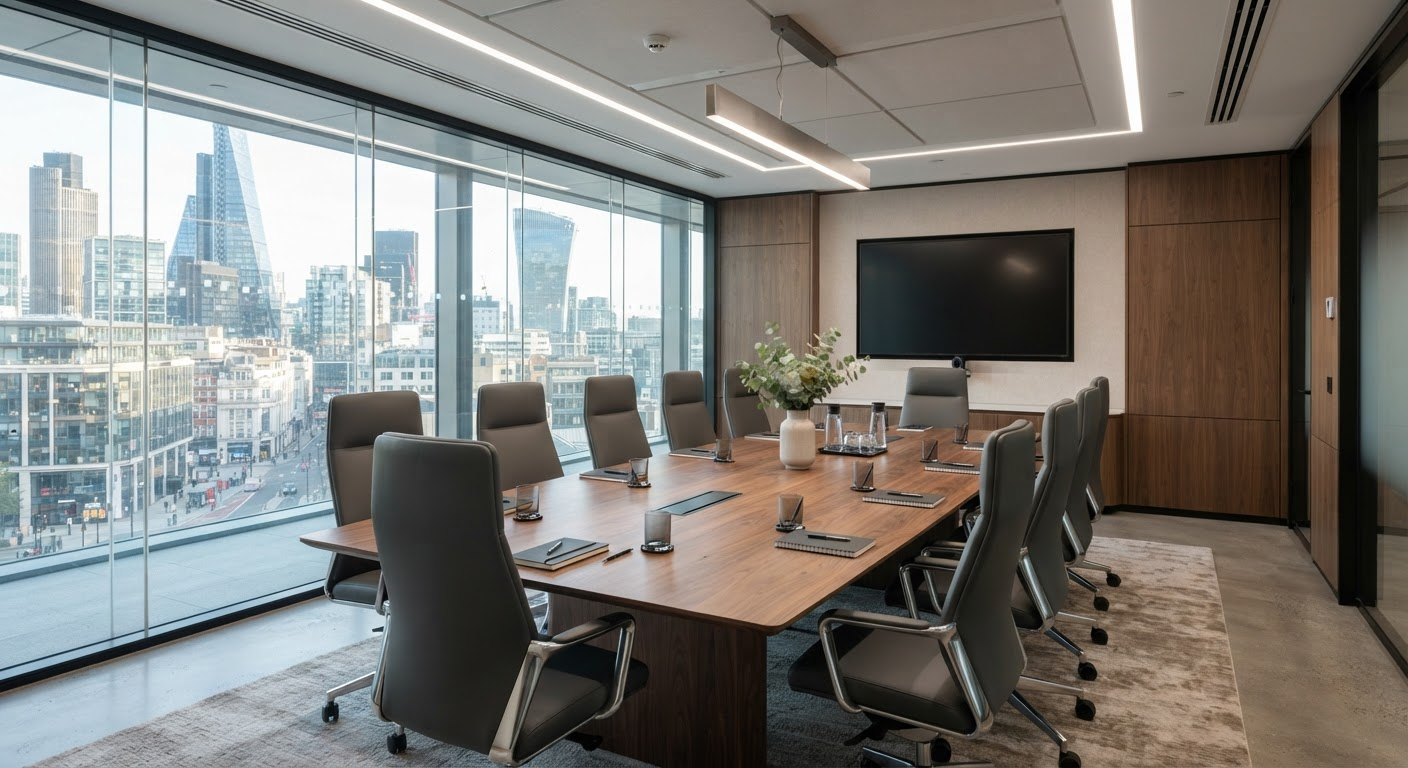
One of the most overlooked opportunities in workplace refurbishment is retaining existing furniture.
There is little value in replacing a perfectly functional desk simply because the chair beside it needs upgrading.
Equally, high-quality storage units may continue to serve the business effectively even when the wider office layout changes.
Before deciding what to replace, assess the condition, suitability and flexibility of existing products.
Can desks be repositioned within a new layout?
Could storage be relocated to improve organisation?
Would replacement seating improve comfort without requiring entirely new workstations?
In some cases, relatively small changes can produce a noticeable improvement in the workplace.
Retaining suitable furniture can also reduce unnecessary waste and the environmental impact associated with manufacturing and transporting replacement products.
The objective isn’t to preserve everything.
It’s to avoid replacing items that continue to provide value.
Principle Five: Consider the Disruption, Not Just the Cost
Furniture replacement affects more than the purchasing budget.
Deliveries, assembly, removal of existing furniture and changes to office layouts can all affect normal business operations.
A complete replacement may require temporary working arrangements, particularly where several departments are being upgraded simultaneously.
A phased project can reduce the number of employees affected at any one time, but may involve contractors attending the premises on multiple occasions.
Businesses should consider how each approach fits around their working patterns.
Can installation take place outside the busiest operating periods?
Would it be practical to move teams temporarily?
Could departments be upgraded individually?
The most cost-effective purchasing decision isn’t necessarily the one that creates the least disruption.
Both factors need to be considered together.
Professional planning can help identify a sensible installation sequence and reduce avoidable interruptions.
Principle Six: Plan for the Workplace You Want to Create
Whether furniture is replaced all at once or gradually, every decision should contribute to a clear long-term objective.
A business expecting to recruit additional employees may need furniture that can accommodate changing team sizes.
An organisation introducing hybrid working might benefit from fewer permanent desks and more flexible meeting areas.
A company looking to improve employee wellbeing may decide that ergonomic seating deserves priority over cosmetic improvements.
These decisions should influence the furniture selected and the order in which improvements are made.
This is where office furniture consultation and workplace planning become particularly valuable.
Rather than treating replacement as a purchasing exercise, businesses can develop a coordinated approach that supports their future requirements.
The Lomas Furniture Replacement Approach
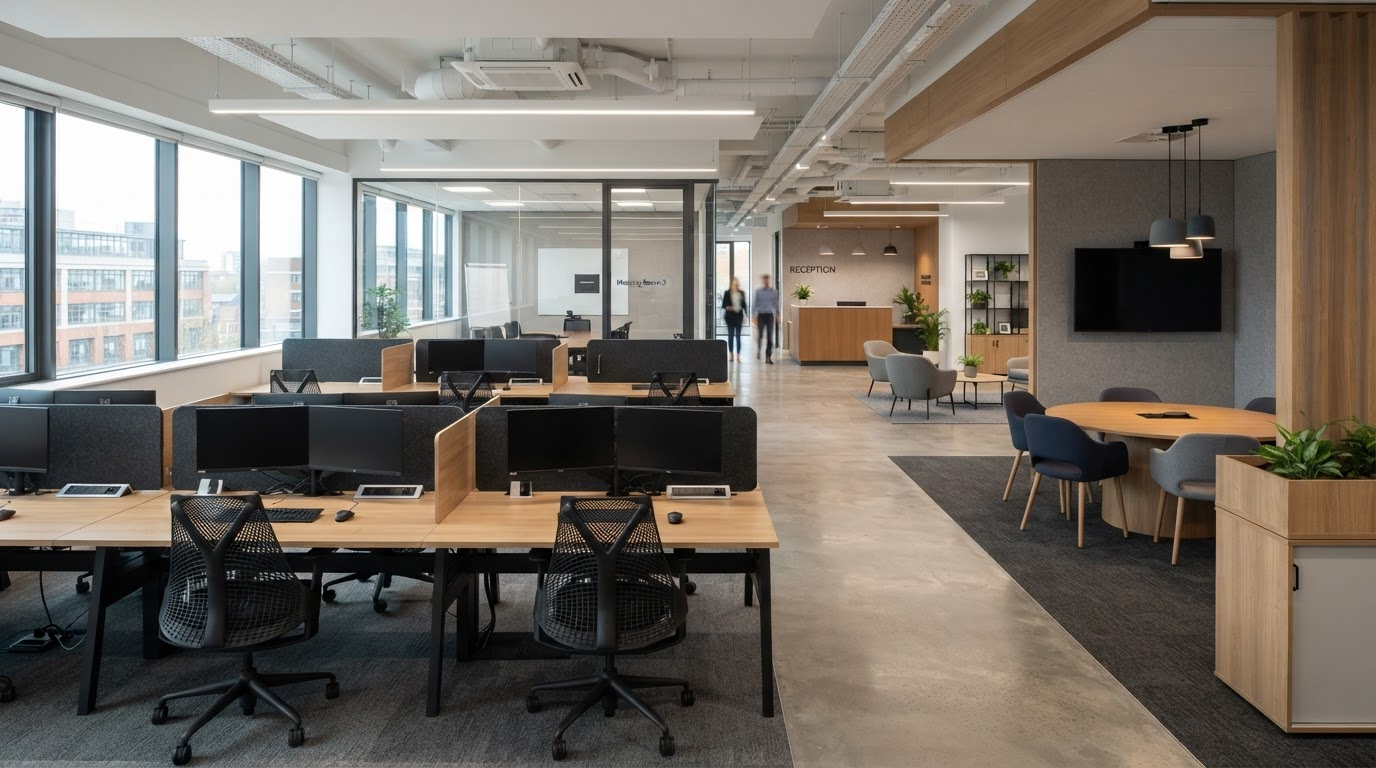
At Lomas, we believe the most effective approach begins with three straightforward decisions.
Keep what works. Furniture that remains comfortable, functional and appropriate for the workplace doesn’t necessarily need replacing.
Prioritise what doesn’t. Identify the products or areas creating the greatest difficulties for employees and business operations.
Plan what comes next. Ensure every replacement contributes to a workplace that can accommodate future changes.
This approach helps businesses avoid unnecessary expenditure while improving the areas that matter most.
It also works whether the project involves replacing five chairs or furnishing an entire office.
Frequently Asked Questions
Is it cheaper to replace office furniture all at once?
Not necessarily. Larger orders may offer purchasing or installation efficiencies, but replacing furniture that remains suitable can create unnecessary expenditure. The most economical approach depends on the condition of existing products and the scope of the project.
Can new furniture be matched with existing office furniture?
Often, yes. Many furniture ranges offer compatible finishes and styles. However, availability can change over time, so it’s worth checking product continuity before planning a phased replacement.
Should office chairs be replaced before desks?
If seating is creating comfort or support problems while desks remain functional, replacing chairs first may be sensible. The decision should be based on actual workplace requirements.
Can office furniture be replaced while employees continue working?
In many cases, yes. Phased installations and careful scheduling can allow businesses to continue operating while individual areas are upgraded.
How do we decide which furniture to replace first?
Begin by identifying furniture that is damaged, unsuitable or causing the greatest difficulties. Then consider how each replacement contributes to the wider workplace plan.
Making the Right Decision for Your Workplace
Replacing office furniture should never be an automatic decision.
Sometimes a complete replacement provides the most practical route to a coordinated, modern workplace.
Sometimes upgrading a few carefully selected areas delivers greater value.
What matters is understanding how your business operates, what needs to improve and how each investment contributes to the workplace you want to create.
At Lomas Office Furniture & Stationery, we help businesses across Blackburn and Lancashire review their furniture requirements, plan improvements and select practical solutions that support long-term value.
Whether you’re considering a complete office upgrade or a phased furniture replacement, our team can help you make informed decisions before investing.
The Lomas Principle
The best furniture replacement strategy isn’t about how much you change. It’s about how much better your workplace works afterwards.