The Complete Guide to Office Furniture

The Complete Guide to Office Furniture

Everything Your Business Needs to Know Before Investing in Office Furniture

The Lomas Office Principle

Good office furniture doesn’t just fill a space. It shapes the way people work.

Every desk, chair, storage unit and meeting table influences how people collaborate, focus and perform throughout the working day.

The best workplaces aren’t built by accident.

They’re planned.

Whether you’re replacing a handful of desks, furnishing a new office or planning a complete workplace refurbishment, the decisions you make today will affect your business for years to come.

This guide has been created to help business owners, office managers and facilities teams understand what really matters before investing in office furniture.

We’ll explain the different types of office furniture, how to choose products that suit your business, common mistakes to avoid and how office furniture fits into the bigger picture of creating a productive workplace.

If you’re looking for product specifications, this isn’t that guide.

If you’re looking to make better workplace decisions, you’re in the right place.
What's Covered in This Guide

  • Why office furniture matters
  • Planning before you buy
  • Understanding the different types of office furniture
  • Choosing the right office furniture
  • Office furniture costs
  • Ergonomics explained
  • Delivery and installation
  • Common mistakes to avoid
  • Frequently asked questions
  • Where to go next

1. Office Furniture Should Support the Way You Work

It’s easy to think of office furniture as a practical purchase.

Desks provide somewhere to work.

Chairs provide somewhere to sit.

Storage keeps everything organised.

In reality, office furniture has a much bigger influence on how a business operates.

The layout of your furniture affects communication between teams.

The quality of your seating influences employee comfort during long working days.

Meeting room furniture shapes the way ideas are shared.

Reception furniture creates the first impression visitors have of your business.

Storage solutions influence productivity by reducing clutter and helping employees work more efficiently.

The furniture you choose becomes part of the everyday experience of everyone who walks through your door.

That is why successful businesses rarely see office furniture as simply another purchase.

They see it as an investment in the people who use the workplace every day.

A well-planned workplace can help:

  • Improve employee comfort and wellbeing.
  • Make better use of available office space.
  • Encourage collaboration between teams.
  • Create a professional environment for visitors and clients.
  • Support recruitment and staff retention.
  • Adapt to future business growth.
  • Reflect the values and professionalism of your organisation.

Office furniture isn’t the objective.

Creating a better workplace is.

2. Plan the Workplace Before You Buy the Furniture

One of the most common mistakes businesses make is choosing furniture before understanding how the office actually needs to function.

A new desk won’t solve a poor layout.

A better chair won’t fix a meeting room that’s too small.

Additional storage won’t help if the workplace has simply outgrown the available space.

Before looking at products, ask yourself:

  • How many people use the office today?
  • How many people are likely to use it in three years?
  • Which teams work closely together?
  • Where do visitors spend most of their time?
  • Are meeting rooms being used effectively?
  • Is storage reducing valuable workspace?
  • Does the layout support productivity?

The answers will often influence your furniture decisions more than any catalogue.

Good planning nearly always saves money.

3. Understand the Different Types of Office Furniture

Office furniture is far more than desks and chairs.

Every area of the workplace has a purpose, and the furniture should support that purpose.

Workstations

The workspace where employees spend most of their day.

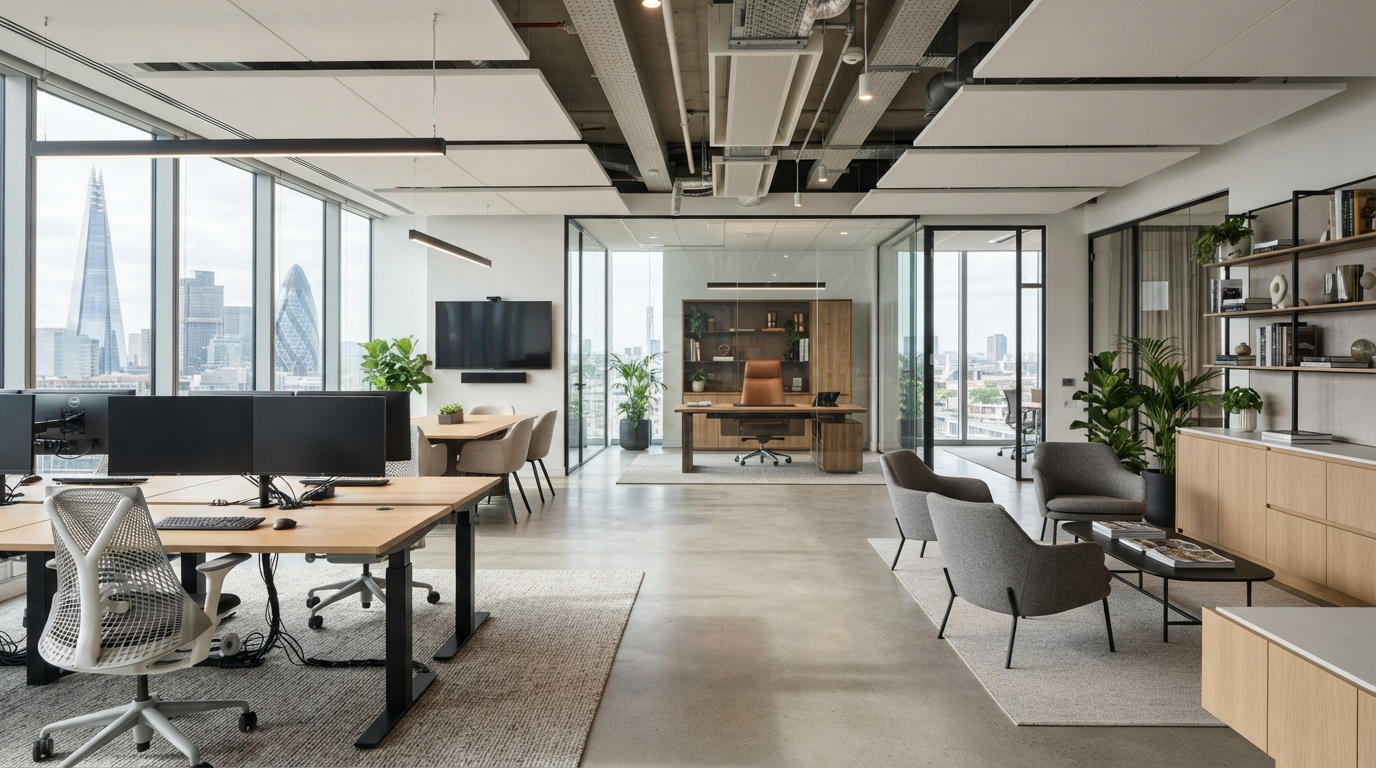
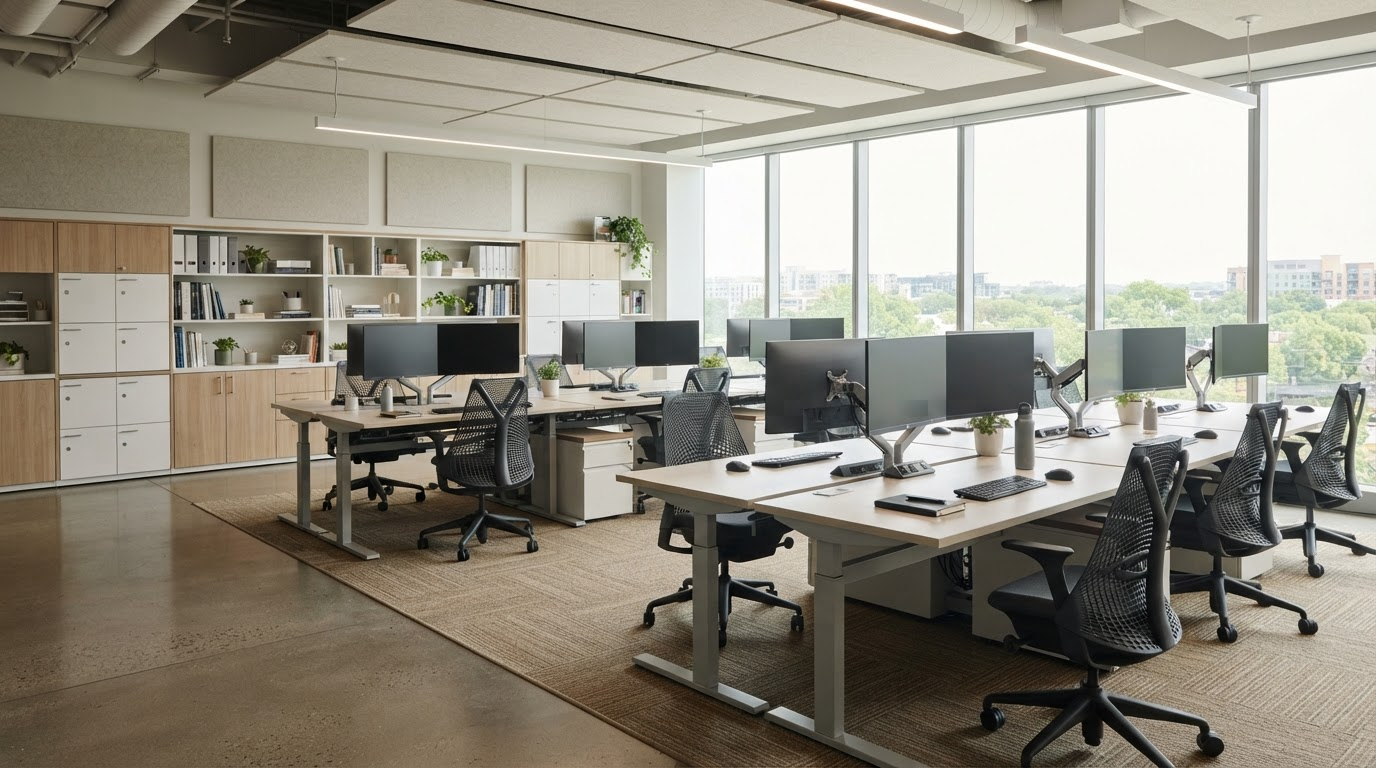
The right workstation should provide adequate working space, cable management and flexibility for future changes.

Office Seating

Comfortable seating supports productivity throughout the working day.

Choosing the correct chair is one of the most important furniture decisions a business can make.

Ergonomic Furniture

Designed to improve comfort through adjustability and better posture support.

Ideal for businesses looking to improve employee wellbeing.

Reception Furniture

Your reception area introduces your business before anyone speaks.

Professional reception furniture creates confidence from the moment visitors arrive.

Boardroom Furniture

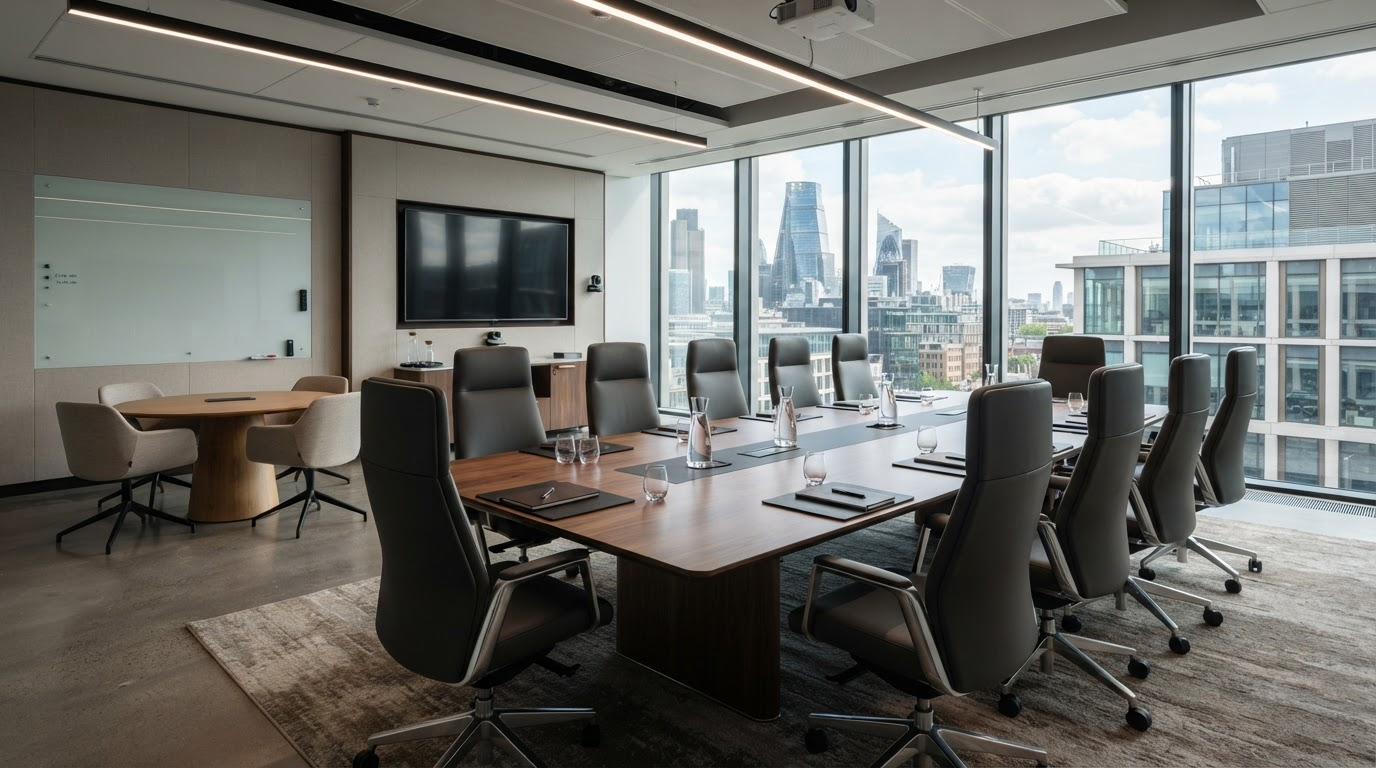
Meeting spaces should encourage discussion, collaboration and professionalism.

Office Storage

Storage keeps workplaces organised and prevents valuable office space from becoming cluttered.

Every furniture decision should support the wider workplace rather than simply filling available space.

4. Invest for the Long Term, Not the Lowest Price

Every business has a budget.

The temptation is often to focus on finding the lowest price.

The problem is that the cheapest furniture is not always the most economical.

Office furniture is used every day.

Employees sit on office chairs for hours.

Desks support equipment throughout their working life.

Meeting room furniture hosts important conversations.

Reception furniture welcomes every visitor.

Durability matters.

A chair that lasts ten years is often far better value than one replaced after three.

When comparing furniture, consider:

  • Build quality.
  • Materials.
  • Warranty.
  • Ease of maintenance.
  • Replacement parts.
  • Flexibility.
  • Expected lifespan.

Think lifetime value, not purchase price.

5. Comfort Drives Performance

Comfort is not a luxury.

It is one of the foundations of a productive workplace.

Employees who are comfortable generally work more effectively.

Good office furniture supports:

  • Better posture.
  • Reduced fatigue.
  • Improved concentration.
  • Greater employee satisfaction.
  • Long-term wellbeing.

This is why ergonomic furniture has become increasingly important.

The goal is not simply to provide somewhere to sit.

The goal is to help people perform at their best.

6. Think Beyond Today

Many businesses buy furniture for today’s office.

Successful businesses buy furniture for tomorrow’s business.

Before investing, ask yourself:

  • Will we recruit more staff?
  • Will departments expand?
  • Could layouts change?
  • Will hybrid working continue?
  • Can this furniture adapt?

Planning ahead helps avoid replacing perfectly good furniture simply because the business has evolved.

7. Office Furniture Is Part of Your Brand

Your workplace says a great deal about your business.

Visitors notice.

Clients notice.

Prospective employees notice.

Employees notice.

Professional furniture creates confidence.

Poorly maintained furniture can undermine an otherwise successful business.

This isn’t about buying expensive furniture.

It’s about creating consistency.

Reception areas, meeting rooms and workstations should all reflect the same professional standards.

8. Avoid the Mistakes That Cost Businesses the Most

Buying office furniture is something most organisations do infrequently.

That makes mistakes expensive.

The most common include:

Buying on price alone

Cheap furniture can become expensive if it needs replacing sooner.

Ignoring employee feedback

The people using the furniture every day usually know what works and what doesn’t.

Forgetting storage

Poor storage leads to clutter and inefficient use of office space.

Buying before planning

Furniture should support the layout, not dictate it.

Failing to plan for growth

Today’s office may not reflect tomorrow’s business.

The Lomas Furniture Investment Ladder

Most businesses think about furniture in terms of budget.

We think businesses should think about progression.

Level One

Furniture That Works

Replace furniture that is no longer fit for purpose.

Level Two

Furniture That Supports People

Improve comfort, wellbeing and ergonomics.

Level Three

Furniture That Supports Teams

Invest in meeting rooms, collaborative spaces and shared working areas.

Level Four

Furniture That Supports Your Brand

Create professional spaces for visitors, clients and prospective employees.

Level Five

Furniture That Supports Growth

Build a workplace that can evolve alongside your business.

Furniture becomes part of your long-term strategy rather than a reactive purchase.

Continue Your Research

Where Do You Go From Here?

Choosing office furniture is rarely just about buying desks and chairs.

It is about creating an environment where people can work comfortably, collaborate effectively and support the future growth of the business.

Every workplace is different.

The right solution depends on the people using the space, the way the business operates and where the organisation is heading next.

If you’re planning an office refresh, relocation, refurbishment or complete fit out, taking time to plan before investing will almost always lead to better long-term decisions.

At Lomas Office Furniture & Stationery, we help businesses create workplaces that work better.

How long should office furniture last?

Quality office furniture should provide many years of reliable use when properly maintained.

Is ergonomic furniture worth the investment?

For many businesses, yes. Improved comfort and adjustability can support productivity and employee wellbeing.

Should we replace everything at once?

Not always. Many businesses upgrade furniture in phases based on priorities and budget.

How do I choose the right office chairs?

Focus on comfort, adjustability, durability and how the chair will be used throughout the working day.

Should furniture match throughout the office?

A coordinated workplace generally creates a more professional appearance while maintaining consistency across different spaces.

Is planning really necessary?

Absolutely. The right layout often has a greater impact than the furniture itself.

The Lomas Office Principle

Better workplaces aren’t created by buying more furniture. They’re created by making better decisions.

That’s the philosophy behind every guide in the Lomas Knowledge Centre

We are using cookies to give you the best experience. You can find out more about which cookies we are using or switch them off in privacy settings.
AcceptPrivacy Settings

GDPR